

In 1991, Argentina became the first country in the world to adopt a national-level gender quota law. The human rights movements and activism years prior, including the Madres y Abuelas de Plaza de Mayo (Mothers and Grandmothers of May Plaza) and their vigorous campaigning, resulted in the gradual increase in the number of women in executive and legislative positions. The ratification of the UN’s Convention on the Elimination of All Forms of Discrimination against Women (CEDAW), and the creation of the National Women’s Council furthered their cause of advancing women’s rights.
Women’s involvement in sports challenged traditional gender roles in Argentina, and as a result, contributed to women’s liberation in the country. Women’s soccer clubs have existed in the state since 1923, but it wasn’t until 1991 that women’s soccer was recognized by the Argentina Football Association. A 2019 policy implemented by the Confederation of South American Football requires all men’s clubs wishing to participate in international tournaments to also have a women’s football team, resulting in a notable increase in participation among women and girls across the country.
Meet and support global leaders creating change in Argentina:
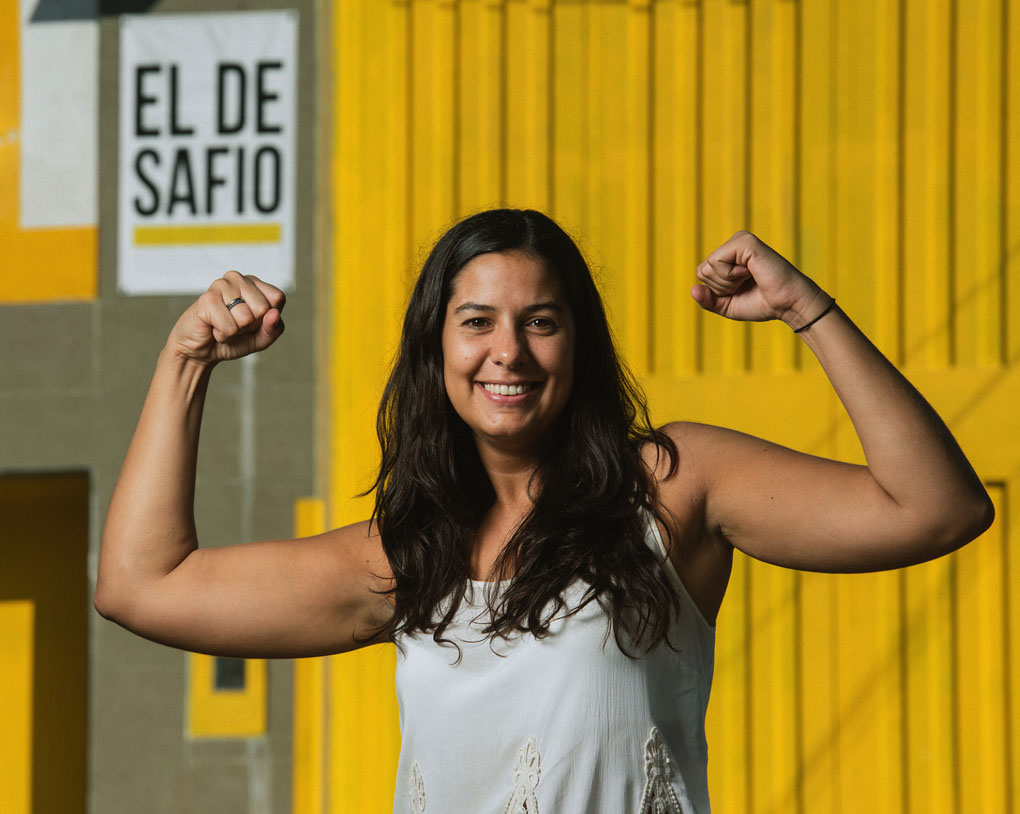
Luz Amuchastegui
Martina Bartolucci
How does Argentina compare to other countries?
Where do you want to explore next?

Women in Leadership
PERCENTAGE OF WOMEN IN PARLIAMENT AS OF 2020
41%
PERCENTAGE OF WOMEN IN MINISTRY POSITIONS AS OF 2020
23%
Has a Woman Ever Been Head of State or Head of Government?
Isabel Martínez de Perón, 1974
Cristina Fernández de Kirchner, 2007-2015
HAS A WOMAN EVER BEEN SPORTS MINISTER?
No
Title IX Timeline


1816
The Congress of Tucumán declared independence for Argentina.
1936
Jeannette Morven Campbell became the first woman to represent Argentina in the Olympics and to win an Olympic medal (silver -swimming).
1947
Women gained the right to vote (full suffrage).
1960
Four athletes became the first women to represent Argentina in the Paralympics and Beatriz Perazzo became the first woman from Argentina to win a Paralympic medal (gold - swimming).
1974
Isabel Martínez de Perón became the first female President of Argentina.
1980
Argentina signed the Convention on the Elimination of All Forms of Discrimination against Women (CEDAW).
1985
Argentina ratified CEDAW.
2000
Argentina signed the Optional Protocol to CEDAW.
2007
Argentina ratified the Optional Protocol to CEDAW.
2015
Argentina signed the UN Security Council Resolution 1325, affirming that peace and security efforts are more sustainable when women are equal partners in the prevention of violent conflict, the delivery of relief and recovery efforts and in the forging of lasting peace.

Women in the olympics
participation through the years
-
1
-
21
-
17
-
8
-
45
-
76
-
151
-
124
-
59
Women in the Paralympics
participation through the years
-
17
-
9
-
0
-
7
-
33
-
25
-
18
Elite Sports Participation
First Year Women Participated In The Olympics
1936
Year Women’s Participation In Olympics Was Equal To Men’s
1968
First Time A Woman Won An Olympic Medal
Jeannette Morven Campbell: 1936, Swimming (Silver)
First Year Women Participated In The Paralympics
1960
Year Women’s Participation In Paralympics Was Equal To Men’s
1976
First Time A Woman Won A Paralympic Medal
Beatriz Perazzo: 1960, Swimming (Gold)
FIFA
Fédération Internationale de Football Association
National Women’s Team?
Yes
First Year Of Play
1991
Pay Gap Comparison
Paid Less than the Men's Team as of 2022
Gender Initiatives
The Liga Profesional de Fútbol Femenino (women’s professional football league) had 19 participating women’s clubs in 2021.
FIFA is committed to the growth and development of women’s football around the globe.
For More Information
FIBA
Fédération Internationale de Basketball
National Women’s Team?
Yes
First Year Of Play
1946
Pay Gap Comparison
Pay Unknown
Gender Initiatives
Increasing the participation of women in basketball at all levels was named as one of FIBA’s eight strategic objectives (2019- 2027) and one of FIBA’s three strategic priorities (2019-2023).
For More Information
LOCAL
Sports
Initiatives
Major Regional Or Country Sport Initiatives
Community Organizations That Have Signed The Brighton + Helsinki Declaration
