
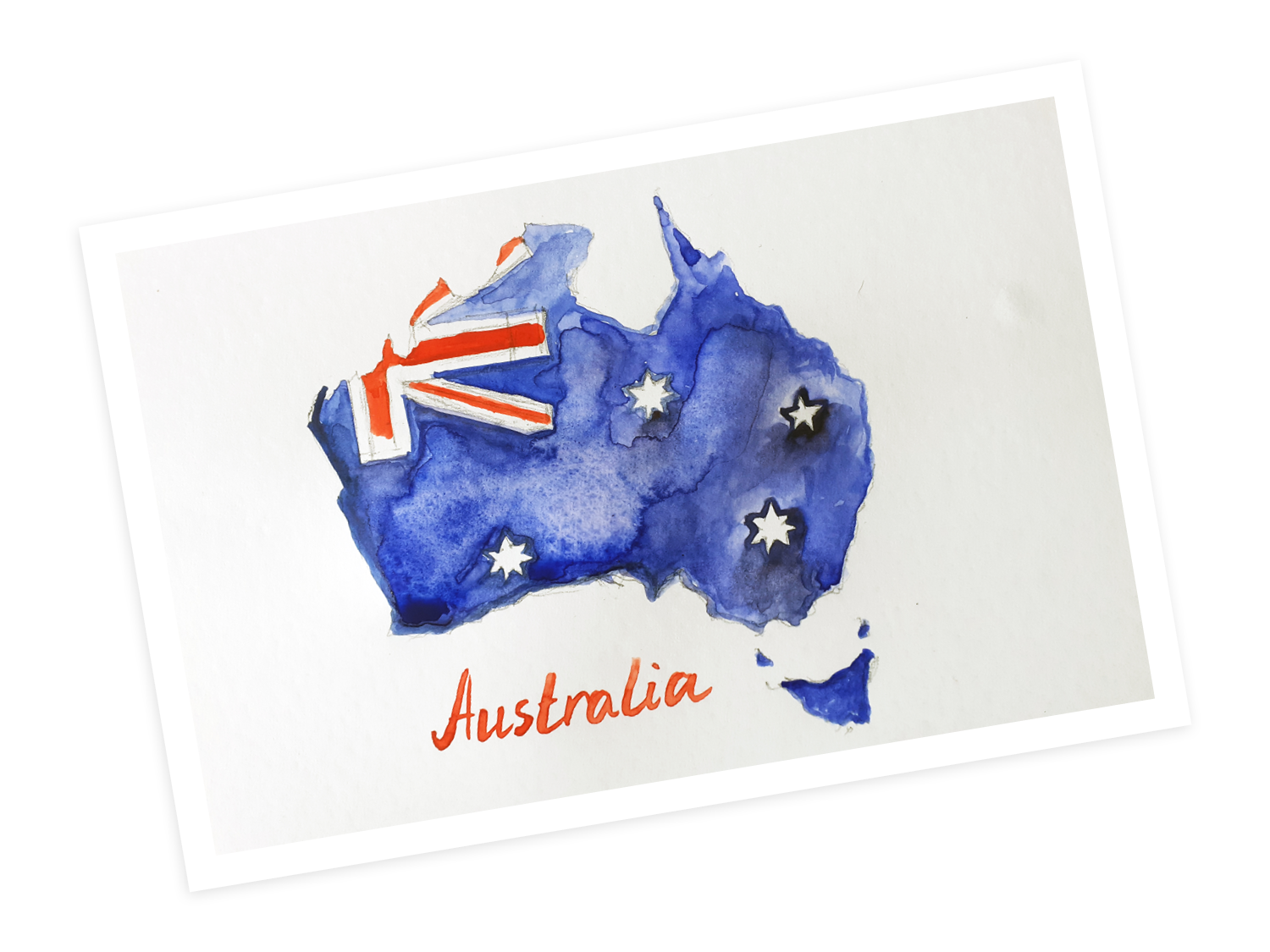
Australia has long been recognized as a global leader in human rights. In 1894, after female activists petitioned for the right to vote, South Australia became the first state in the country to expand voting rights to include women. Western Australia followed in 1899, and in 1902, the federal government passed legislation that allowed women to vote in federal elections and to stand for federal parliament. This made Australia the first country in the world where women were extended the rights to full political participation. Today, Australia sits atop the global index that ranks countries on women’s workforce equality and also ranks number one in the world for women’s educational attainment. The Australian government is also making a significant impact in helping to establish a more gender-equal world. They’re a current donor to the UN’s Women’s Peace and Humanitarian Fund, a global partnership that works to empower women in conflict zones and is also a partner of the UN’s Call to Action on Protection from Gender-Based Violence in Emergencies.
Australia is a country steeped in sporting tradition and athletic achievement. Swimming is the sport most Australian women and girls participate in, with soccer ranking as the most popular team sport. The success of the Matildas, the women’s national soccer team, has played a substantial role in the rise in the sports’ popularity. The team is currently ranked ninth in the world and has reached the quarterfinals in three of the last four World Cups. In 2019, under a landmark deal from Football Federation Australia, the Matildas began earning the same pay as their male counterparts, making them the first female football team in the world to be guaranteed equal pay.
Sydney, Australia, is the host site of the FIBA Women’s Basketball World Cup in 2022.
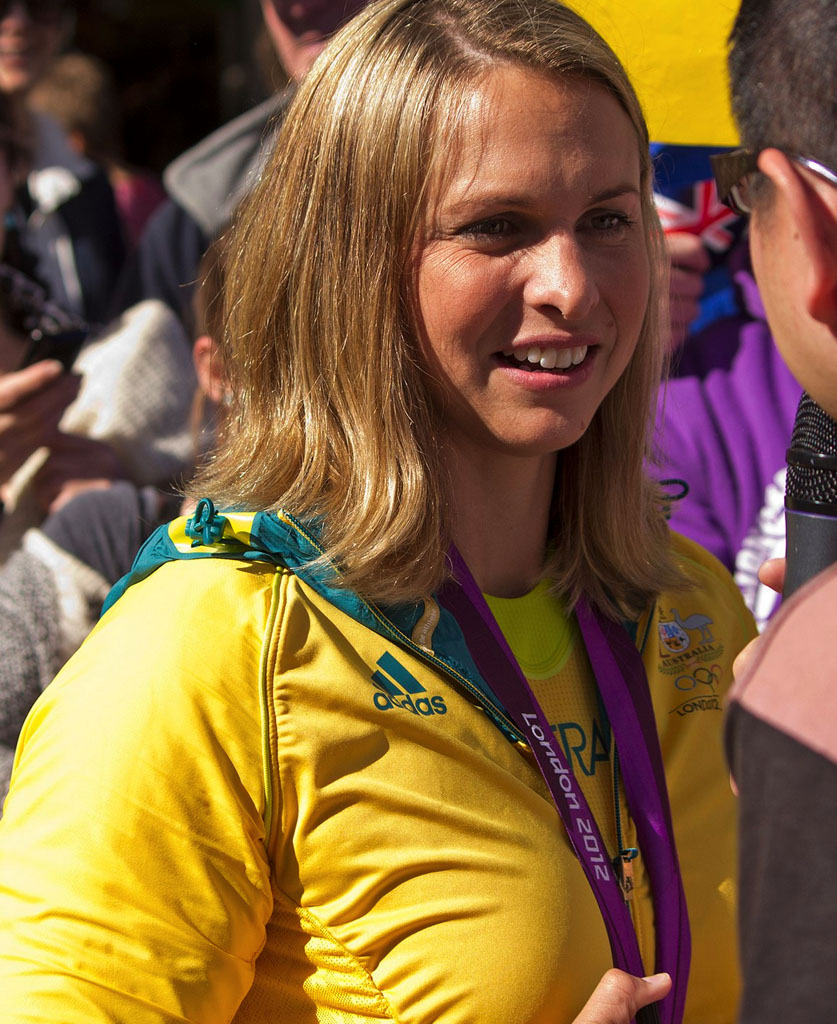
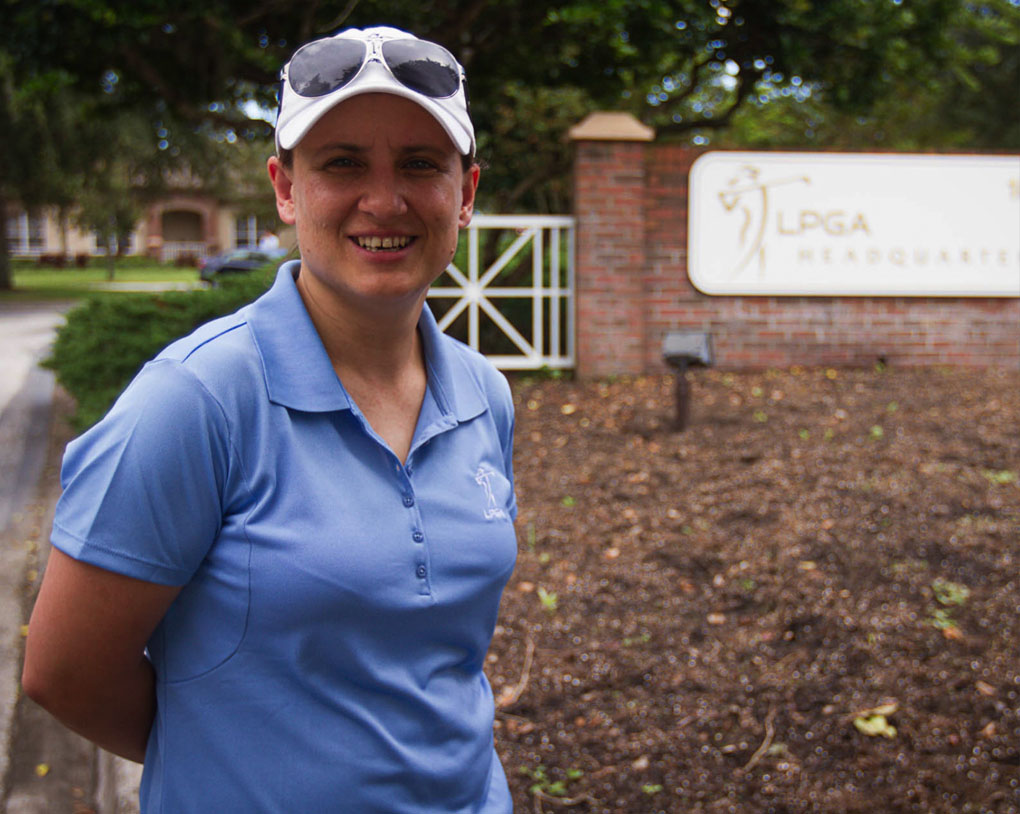
Meet and support global leaders creating change in Australia:
Chyloe Kurdas
How does Australia compare to other countries?
Where do you want to explore next?

Women in Leadership
PERCENTAGE OF WOMEN IN PARLIAMENT AS OF 2020
31%
PERCENTAGE OF WOMEN IN MINISTRY POSITIONS AS OF 2020
27%
Has a Woman Ever Been Head of State or Head of Government?
Julia Gillard, 2010-2013
HAS A WOMAN EVER BEEN SPORTS MINISTER?
Jackie Kelly, 1998-2001
Kate Ellis, 2007-2010
Kate Lundy, 2012-2013
Sussan Ley, 2014-2017
Bridget McKenzie, 2018-2019
Title IX Timeline


1901
On January 1st the six original self-governing colonies formed the Commonwealth of Australia.
1912
Fanny Durack (gold - swimming) and Mina Wylie (silver - swimming) became the first women to represent Australia in the Olympics and win Olympic medals.
1960
Ceeney Daphne Hilton became the first woman to represent Australia in the Paralympics and to win a Paralympic medal (silver- javelin throw, silver- club throw, bronze- shot put).
1962
Women, including Aborigines, gained the right to vote (full suffrage).
1980
Australia signed the Convention on the Elimination of All Forms of Discrimination against Women (CEDAW).
1983
Australia ratified CEDAW.
2008
Australia ratified the Optional Protocol to CEDAW.
2010
Julia Gillard became the first female Prime Minister of Australia.
2012
Australia signed the UN Security Council Resolution 1325, affirming that peace and security efforts are more sustainable when women are equal partners in the prevention of violent conflict, the delivery of relief and recovery efforts, and in the forging of lasting peace.
Women in the olympics
participation through the years
-
15
-
66
-
99
-
66
-
177
-
281
-
706
-
469
-
266
Women in the Paralympics
participation through the years
-
14
-
18
-
66
-
102
-
224
-
148
-
78
Elite Sports Participation
First Year Women Participated In The Olympics
1912
Year Women’s Participation In Olympics Was Equal To Men’s
2010
First Time A Woman Won An Olympic Medal
Fanny Durack: 1912, Swimming (Gold) Mina Wylie: 1919, Swimming (Silver)
First Year Women Participated In The Paralympics
1960
Year Women’s Participation In Paralympics Was Equal To Men’s
2014
First Time A Woman Won A Paralympic Medal
Ceeney Daphne Hilton: 1960, Javelin (Silver), Club Throw (Silver), Women's Shot (Bronze)
FIFA
Fédération Internationale de Football Association
National Women’s Team?
Yes
First Year Of Play
1978
Pay Gap Comparison
Equal Pay as of 2019
Gender Initiatives
Australia was selected to host the 2023 FIFA Women’s World Cup along with New Zealand.
Football Australia has partnered with Commonwealth Bank to fund grassroots initiatives to engage and accelerate female development.
FIFA is committed to the growth and development of women’s football around the globe.
For More Information
FIFA: Women's Development Program
2023 FIFA Women's World Cup
FIBA
Fédération Internationale de Basketball
National Women’s Team?
Yes
First Year Of Play
1957
Pay Gap Comparison
Paid Less than the Men's Team as of 2022
Gender Initiatives
Australia was chosen to host the 2022 FIBA Women’s Basketball World Cup.
Increasing the participation of women in basketball at all levels was named as one of FIBA’s eight strategic objectives (2019- 2027) and one of FIBA’s three strategic priorities (2019-2023).
For More Information
LOCAL
Sports
Initiatives
Major Regional Or Country Sport Initiatives
In 2020, Cadbury launched its National Women in Sport initiative in partnership with the AFLW, Australian Women’s Cricket team, the NRLW and the Westfield Matildas.
In 2010, Australia hosted the 5th IWG World Conference on Women and Sport, the world’s largest gathering of experts on gender equity in sport and physical activity.
Girls Make Your Move Initiative through the Australian Government Department of Health inspires women and girls to get motivated through physical activities that they enjoy.
The Women Leaders in Sport (WLIS) program through the Australian Government is an initiatives that aims to motivate women to earn leadership roles in the sports industry.
Community Organizations That Have Signed The Brighton + Helsinki Declaration
Australian Sports Commission
Pacific Games Council-Australia
Standing Committee on Recreation and Sport-Australia
Australia Olympic Committee
Australian Baseball and Softball Federation
Australian University Sport
Netball Australia
Australian Women Sport and Recreation Association
Women’s Sports Foundation of Western Australia
Australia Sport and Recreation Ministers Council
State and Territory Governments of Australia
