
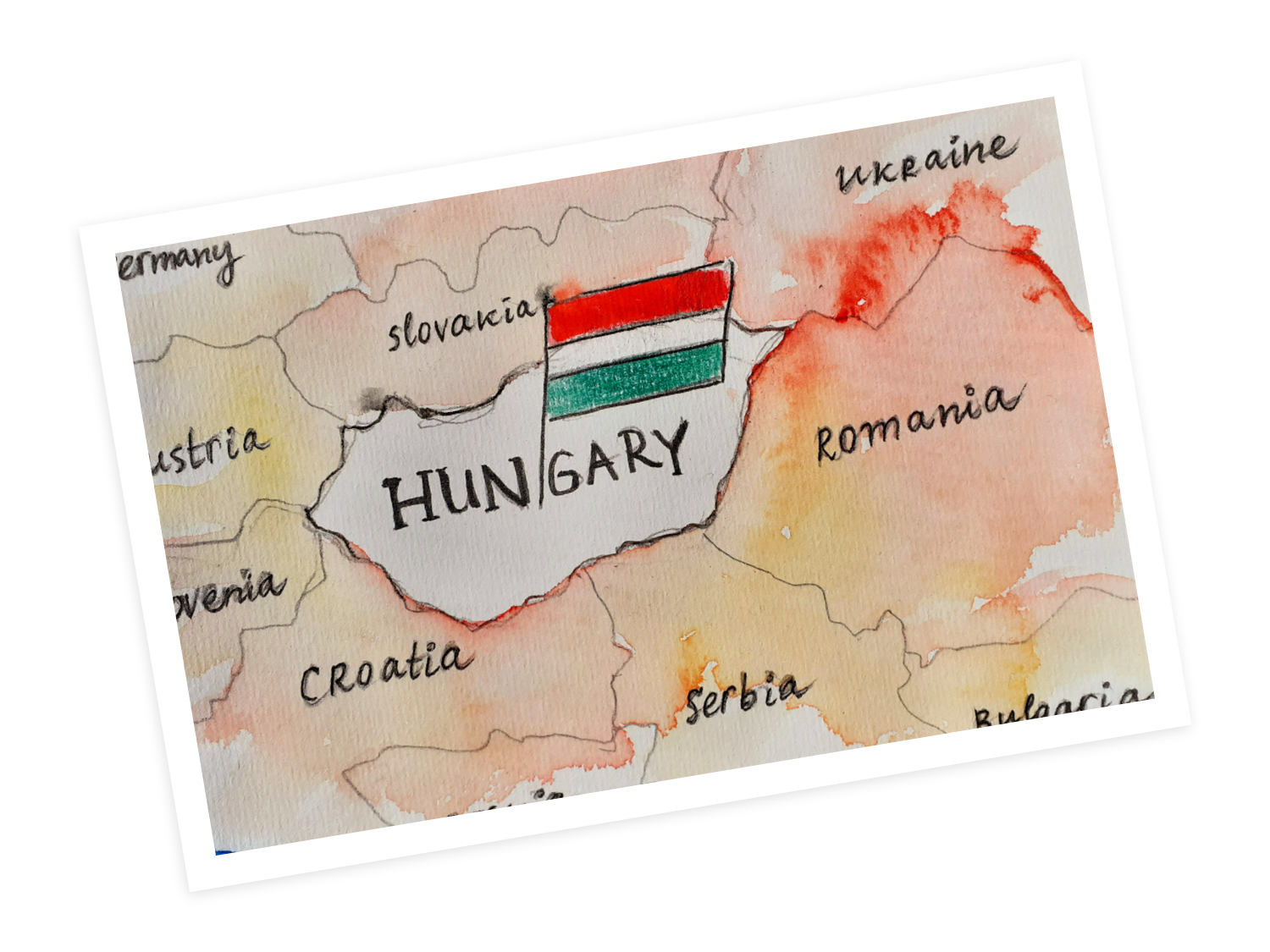
When Hungary became a democracy in 1989, the legislature made sweeping changes to the country’s 1949 constitution in an effort to leave behind its communist past. In 2011, under the ruling Fidesz party, a brand new constitution was adopted in the party’s attempt to transition into a completely developed democracy. Though the body of law states that “Hungary shall ensure fundamental rights to every person,” certain provisions have failed to ensure these fundamental rights for women and other minority groups. Discriminatory language and sexist stereotyping in the constitution have suppressed the country’s advancements toward gender equality. Women’s labor force participation rates have decreased since the Fidesz party gained control, and women currently make up just 12 percent of parliament. Violence against women has also increased, and in 2020 the government refused to ratify the Istanbul Convention, the human rights treaty that protects women from violence and domestic abuse claiming it promotes “gender ideology” undermining “traditional family values.” Even with little monetary and legislative support, women’s rights organizations like the Hungarian Women’s Lobby and NANE Women’s Rights Association are hard at work, providing advocacy projects for women and support services to help combat gender-based violence and discrimination.
Hungary’s patriarchal system and traditional gender ideologies present a myriad of challenges for women in the sports sector. Despite the barriers, female athletes have achieved great success on the international stage in handball, water polo, and kayak racing. The Hungarian handball team has participated in every European Championship since its inception in 1994, winning the tournament in 2000. They also received a silver medal at the Sydney Olympics that same year. The water polo team is one of the highest-ranked teams in the world, winning the bronze medal at the 2020 Olympic Games.
Meet and support global leaders creating change in Hungary:
Ildikó Mihók
How does Hungary compare to other countries?
Where do you want to explore next?

Women in Leadership
PERCENTAGE OF WOMEN IN PARLIAMENT AS OF 2020
13%
PERCENTAGE OF WOMEN IN MINISTRY POSITIONS AS OF 2020
8%
Has a Woman Ever Been Head of State or Head of Government?
No
HAS A WOMAN EVER BEEN SPORTS MINISTER?
Unknown
Title IX Timeline


1918
The first Hungarian republic was established on November 16 after the dissolution of the Austria-Hungarian Empire.
1924
Gizella Tary, Ella Molnár, and Ilona Váradi became the first women to represent Hungary in the Olympics.
1932
Erna Bogen-Bogáti won a bronze medal in fencing to become the first woman from Hungary to win an Olympic medal.
1945
Women gained the right to vote (full suffrage).
1972
András Fejes became the first woman to represent Hungary in the Paralympics.
1980
Hungary signed and ratified the Convention on the Elimination of All Forms of Discrimination against Women (CEDAW).
1984
Judit Hoffman won gold and silver medals in swimming and Jozsafine Kiraly won 3 silver medals in athletics to become the first women from Hungary to win Paralympic medals.
2000
Hungary signed the Optional Protocol to CEDAW.
Women in the olympics
participation through the years
-
45
-
69
-
100
-
101
-
122
-
155
-
261
-
175
-
99
Women in the Paralympics
participation through the years
-
0
-
1
-
7
-
19
-
36
-
40
-
20
Elite Sports Participation
First Year Women Participated In The Olympics
1924
Year Women’s Participation In Olympics Was Equal To Men’s
1932
First Time A Woman Won An Olympic Medal
Erna Bogen-Bogáti: 1932, Fencing (Bronze)
First Year Women Participated In The Paralympics
1972
Year Women’s Participation In Paralympics Was Equal To Men’s
2006
First Time A Woman Won A Paralympic Medal
Judit Hoffman: 1984, Swimming (Gold & Silver) Jozsafine Kiraly: 1984, Discus Throw (Silver) Javelin Throw (Silver) Shot Put (Silver)

FIFA
Fédération Internationale de Football Association
National Women’s Team?
Yes
First Year Of Play
1985
Pay Gap Comparison
Equal Pay as of 2018
Gender Initiatives
Hungary’s women’s league, Pepsi Max Delid Kvenna, had 10 different clubs in the 2020/21 league. 50% of clubs broke even or were profitable and 84% of the first team players had a written contract.
FIFA is committed to the growth and development of women’s football around the globe.
For More Information
FIBA
Fédération Internationale de Basketball
National Women’s Team?
Yes
First Year Of Play
1989
Pay Gap Comparison
Pay Unknown
Gender Initiatives
Increasing the participation of women in basketball at all levels was named as one of FIBA’s eight strategic objectives (2019- 2027) and one of FIBA’s three strategic priorities (2019-2023).
For More Information
LOCAL
Sports
Initiatives
Community Organizations That Have Signed The Brighton + Helsinki Declaration
