
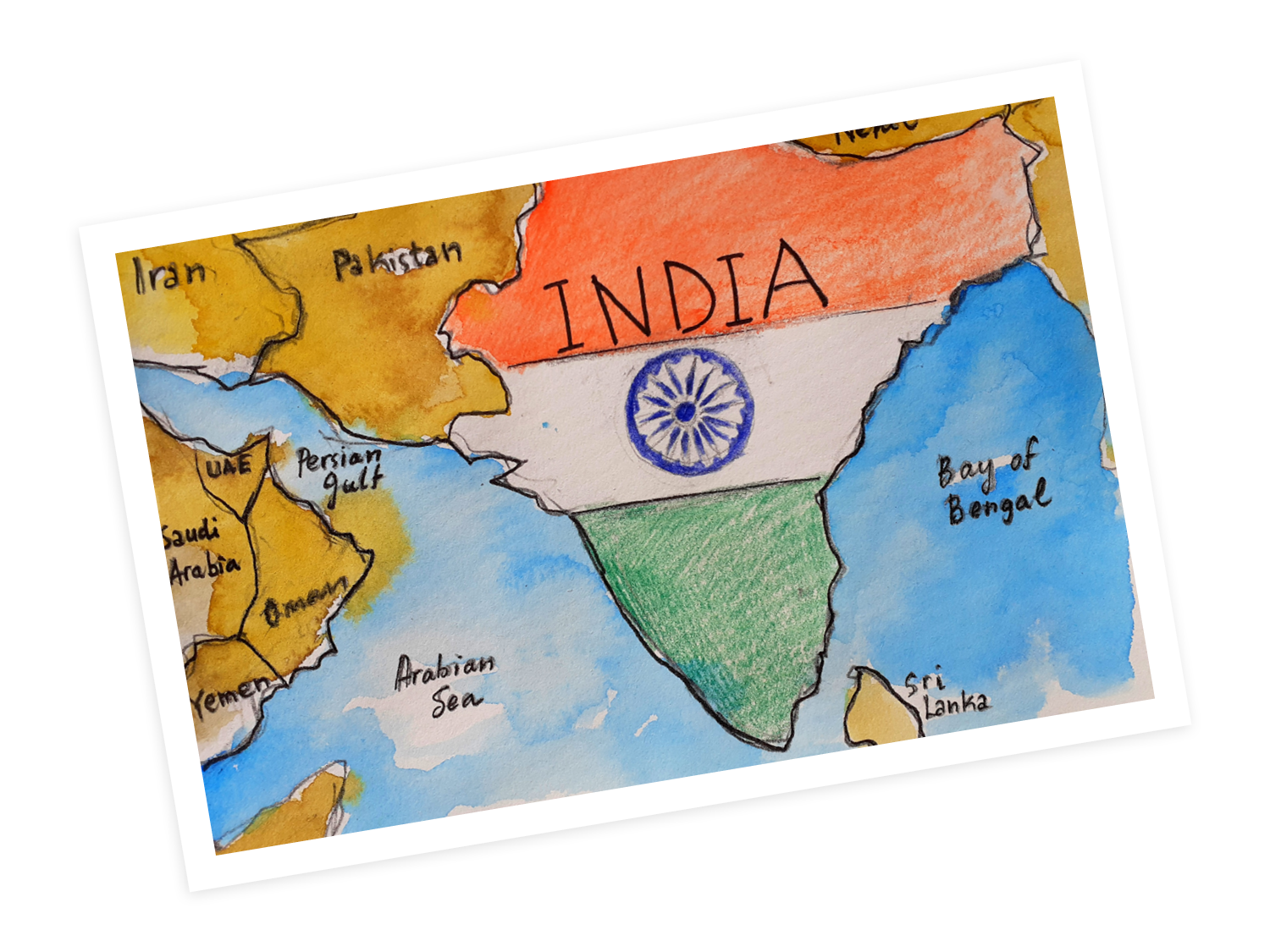
The Indian Constitution, which was adopted in 1949 declares: “the State shall not deny to any person equality before the law or the equal protection of the laws within the territory of India.” In an effort to further protect women, Article 15(3) allows the State to make special provisions in favor of women and children. Women gained universal suffrage in 1950, and a little more than a decade later, India appointed Indira Gandhi as prime minister, becoming one of the first countries in the world to appoint a female head of state. Despite the law, the country’s system of personal laws and nationalist tendencies dominate Indian culture. Serious human rights abuses against women continue to plague the country, and in a 2018 Reuters survey, India was ranked the world’s most dangerous country for women. Female representation in government is just 14 percent, and significant disparities exist in the country’s economic, educational, and civic domains. Fortunately, India has a rich history of feminist activism. Women’s groups like the Women’s Indian Association, India’s first major feminist organization, are continuing their fight for gender equality by introducing new policies that protect and empower Indian women.
Female sports participation in India has dramatically increased over the past two decades. While barriers still remain in the form of sexism and gender biases, great progress has been made. In 2000, Karnam Malleswari became the first Indian woman to win an Olympic medal when she brought home the bronze in weightlifting. The national cricket team was the runner-up in the World Cup final in 2005 and 2017 and is currently ranked 4th in the world. The national field hockey team are two time Asia Cup winners, and finished fourth in the 2020 Olympic Games.
Meet and support global leaders creating change in India:
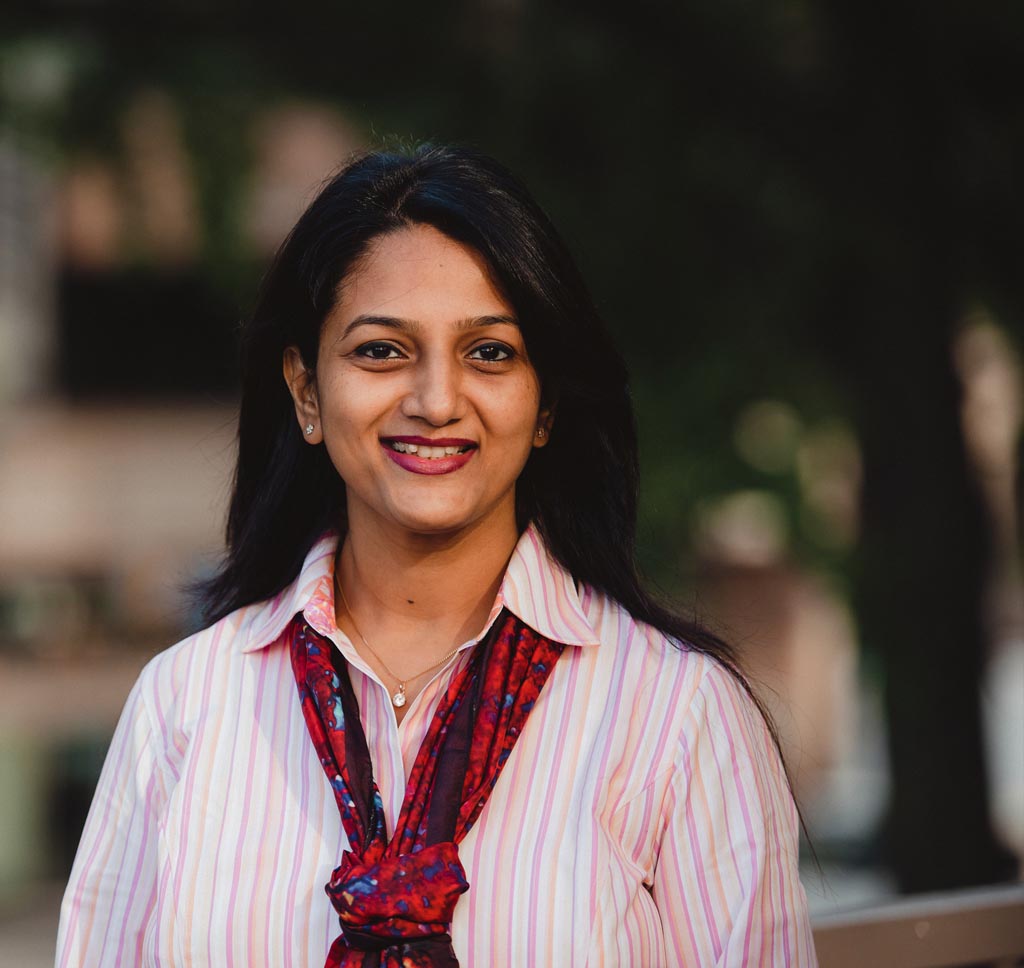
Pavithra Chandra (Belli)
Sangeetha Manoharan
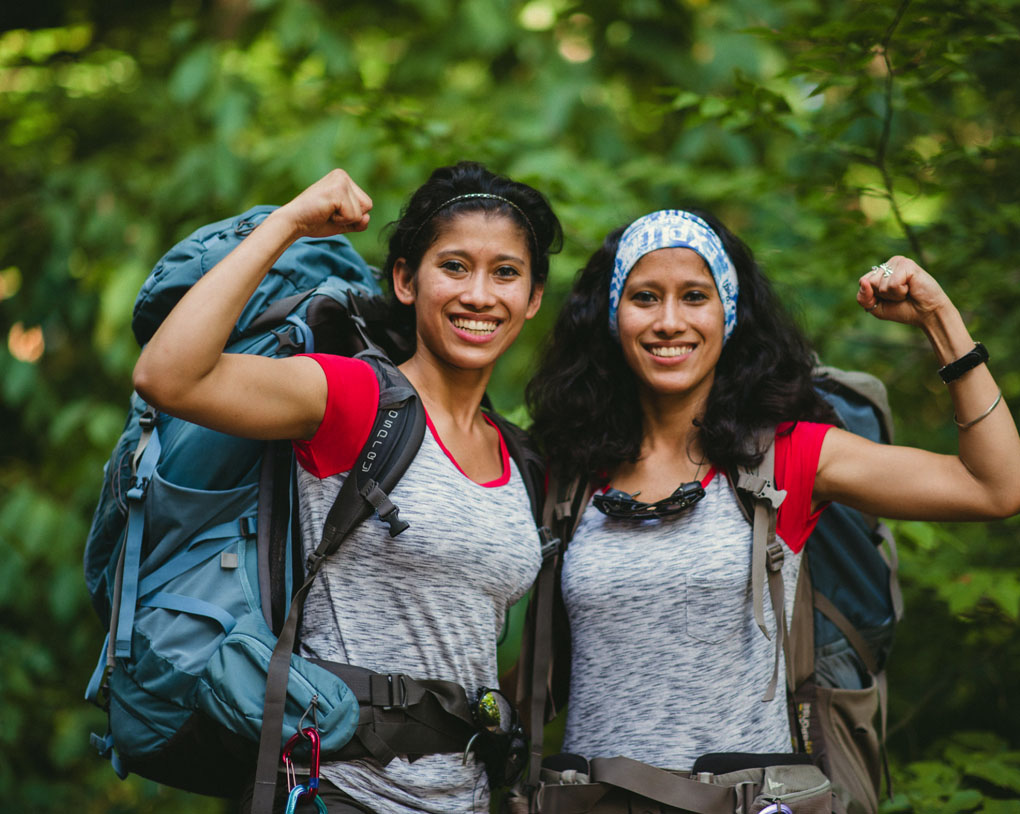
Tashi & Nungshi Malik
Kruthika N.S.
Aparna Popat
Megha Vora
How does India compare to other countries?
Where do you want to explore next?
Women in Leadership
PERCENTAGE OF WOMEN IN PARLIAMENT AS OF 2020
14%
PERCENTAGE OF WOMEN IN MINISTRY POSITIONS AS OF 2020
23%
Has a Woman Ever Been Head of State or Head of Government?
Indira Gandhi, 1966 - 1977, 1980- 1984
Pratibha Patil, 2007 - 2012
HAS A WOMAN EVER BEEN SPORTS MINISTER?
Uma Bharti, 2000-2002
Title IX Timeline


1857
The India Independence Movement began, a movement to end the British rule in India.
1950
Women gained the right to vote (full suffrage) with the passage of the Constitution of India and the establishment of the Republic of India.
1952
Arati Saha, Dolly Nazir, Nilima Ghose, and Mary D’Souza became the first women to represent India in the Olympics.
1966
Indira Gandhi became the first female Prime Minister of India.
1968
Two athletes became the first women to represent India in the Paralympics.
1980
India signed the Convention on the Elimination of All Forms of Discrimination against Women (CEDAW).
1993
India ratified CEDAW.
2000
Karnam Malleswari won the bronze medal in weightlifting to become the first woman from India to win an Olympic medal.
2016
Deepa Malik won a silver medal in the shot put to become the first female athlete from India to win a Paralympic medal.
Women in the olympics
participation through the years
-
1
-
5
-
1
-
1
-
30
-
15
-
261
-
74
-
56
Women in the Paralympics
participation through the years
-
2
-
3
-
1
-
2
-
1
-
3
-
14
Elite Sports Participation
First Year Women Participated In The Olympics
1952
Year Women’s Participation In Olympics Was Equal To Men’s
As of 2020, women's participation was still less than men's.
First Time A Woman Won An Olympic Medal
Karnam Malleswari: 2000, Weightlifting (Bronze)
First Year Women Participated In The Paralympics
1968
Year Women’s Participation In Paralympics Was Equal To Men’s
1988
First Time A Woman Won A Paralympic Medal
Deepa Malik: 2016, Shot Put (Silver)
FIFA
Fédération Internationale de Football Association
National Women’s Team?
Yes
First Year Of Play
1981
Pay Gap Comparison
Paid Less than the Men's Team as of 2022
Gender Initiatives
India was selected to host the U17 Women’s World Cup in 2022.
FIFA is committed to the growth and development of women’s football around the globe.
For More Information
FIFA: Women's Development Program
2022 FIFA U17 Women’s World Cup
FIBA
Fédération Internationale de Basketball
National Women’s Team?
Yes
First Year Of Play
1970
Pay Gap Comparison
Pay Unknown
Gender Initiatives
Increasing the participation of women in basketball at all levels was named as one of FIBA’s eight strategic objectives (2019- 2027) and one of FIBA’s three strategic priorities (2019-2023).
For More Information
LOCAL
Sports
Initiatives
Major Regional Or Country Sport Initiatives
UN Women’s HeforShe initiative has been implemented throughout India with various programs and opportunities for people to participate in sport events to increase awareness on gender discrimination within India.
Community Organizations That Have Signed The Brighton + Helsinki Declaration
