
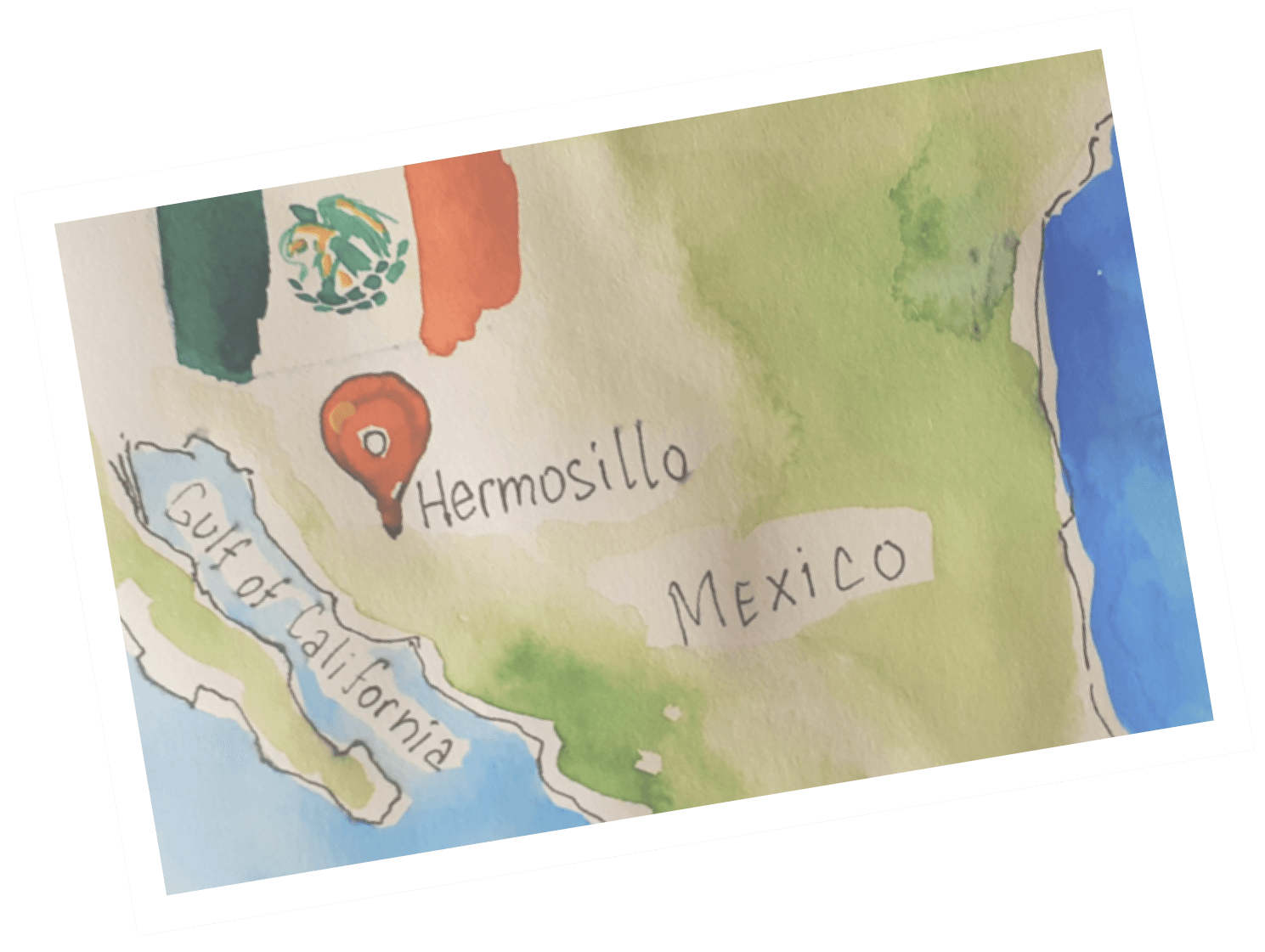
Though Mexico gained its independence in 1821, it wasn’t until after the Mexican Revolution that the country began making significant advancements toward gender parity. During the war, women served as soldiers, spies, and in other traditionally male-dominated positions. Their representation in these vital roles would later inspire the feminist movement and the demand for suffrage and equality. In 1916, the First Feminist Congress or Primer Congreso Feminista was established, which helped influence the Constitution of 1917—the country’s current body of law. Under the constitution, women were guaranteed equal rights to free public education and equal pay for the same work. The establishment of feminist leagues around the country helped usher in women’s suffrage in 1953, and progress continued as feminism rooted itself deeper into the cultural foundation. In 2018, women won half the seats in Congress and then advocated for a “parity in everything” reform, which mandated that women make up 50 percent of positions in the federal Congress, state legislatures, and municipal governments. This pioneering bill passed with ease and in 2019 the 50–50 rule was initiated making Mexico one of the only countries in the world to have equal representation in government. While great progress has been made, there is still work to be done. Discrimination still exists particularly against Indigenous and Afro-Mexican women, and Mexico remains one of the global leaders in femicide and gender-based violence. Fortunately, the progressive movement remains strong and a number of organizations, such as Nuestras Hijas de Regreso a Casa (“May Our Daughters Return Home”) and the Fotzi Ñahño association are continuing the fight to advocate for women in marginalized communities.
Though women athletes have faced barriers in the form of limited access to sporting facilities and pay inequities, Mexico has a strong tradition of female representation on the international sports stage. Women first competed in the Olympics in 1932 with María Uribe competing in the javelin throw and Eugenia Escudero in fencing. In the 1968 Olympics, held in Mexico City, Pilar Roldán and María Teresa Ramírez were the first female athletes to win medals, with Roldán taking silver in fencing and Ramírez bringing home the bronze in swimming. The women’s national soccer team was established in 1963, and placed third in the 1970 Women’s World Cup, though the tournament had yet to be recognized by FIFA. Their first official appearance in the FIFA Women’s World Cup was in 1999, followed by qualifications in 2011 and 2015. In 2017, the Mexican Football Federation founded the first professional women’s soccer league—LIGA MX Femenil—to help promote the sport and strengthen the women’s national team. The Women’s basketball team won two silver medals in the Pan-American games in 1975 and 2011, and is currently 51 in the FIBA ranking. One of the most decorated athletes in Mexican history is Lorena Ochoa Reyes who was the top-ranked female golfer in the world for 158 consecutive weeks—an LPGA Tour record—from 2007 to 2010. She was the first Mexican golfer of either gender to be ranked number one in the world, and was inducted into the World Golf Hall of Fame in 2017.
Meet and support global leaders creating change in Mexico:
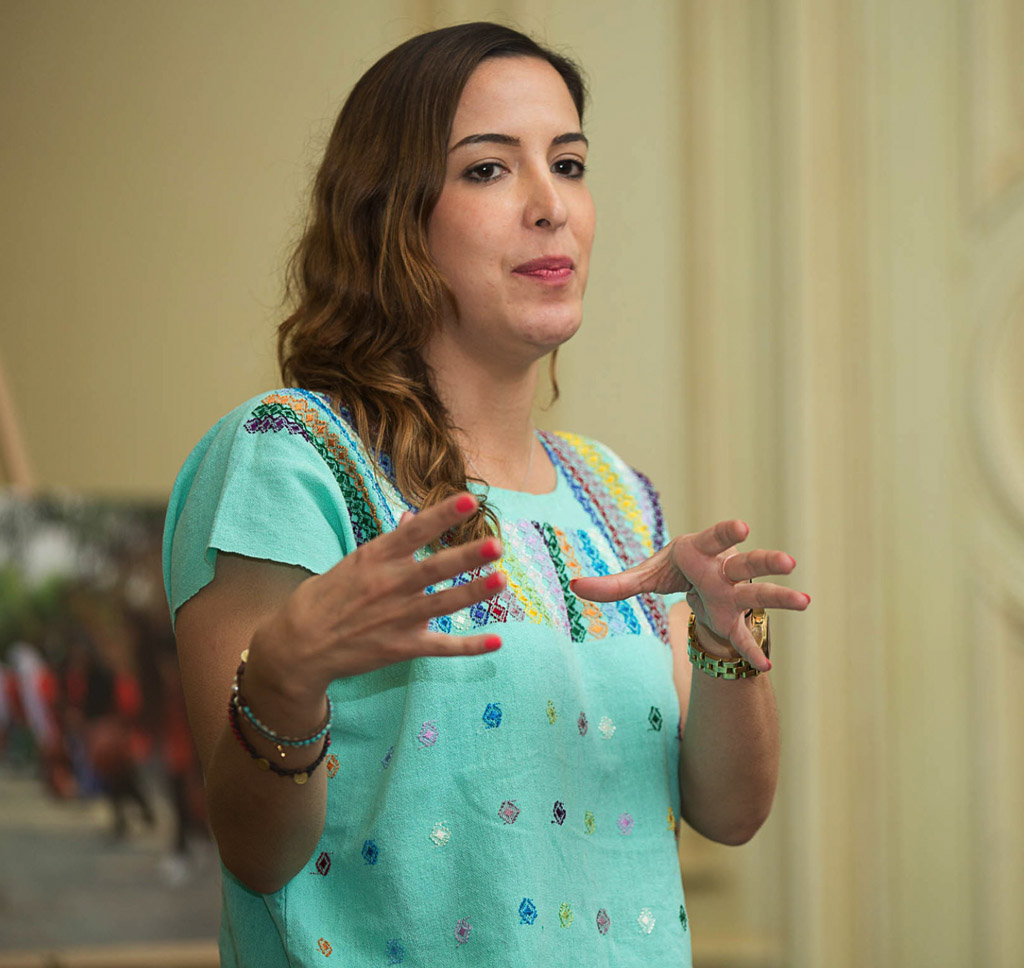
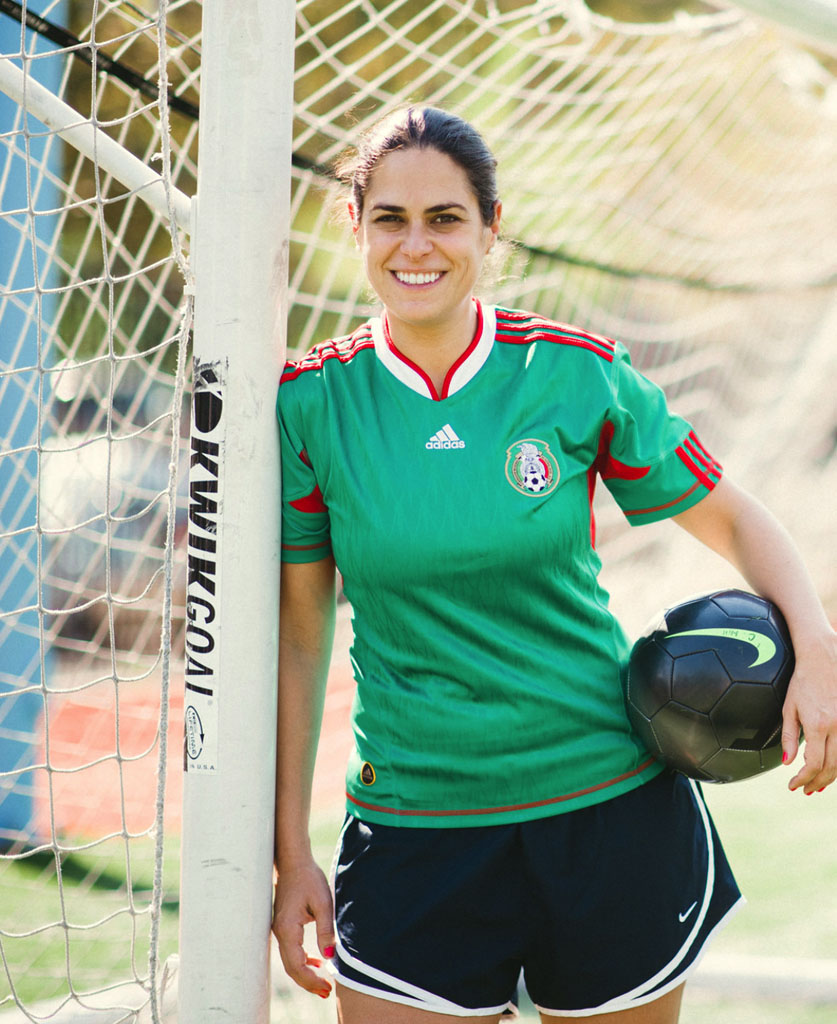
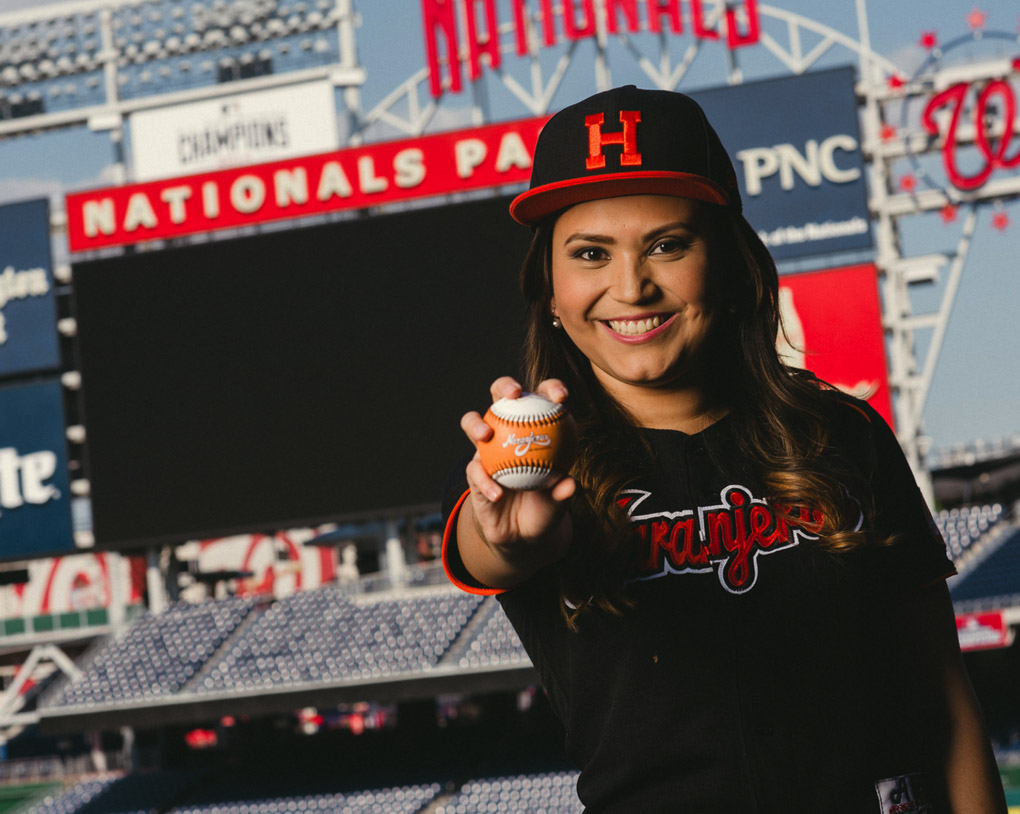
Carla Bustamante
Paola Kuri
Anna Cecilia Lopez
Brenda Möller
Cecilia Vales
HOW DOES MEXICO COMPARE TO OTHER COUNTRIES?
WHERE DO YOU WANT TO EXPLORE NEXT?
Women in Leadership
PERCENTAGE OF WOMEN IN PARLIAMENT AS OF 2020
48%
PERCENTAGE OF WOMEN IN MINISTRY POSITIONS AS OF 2020
42%
Has a Woman Ever Been Head of State or Head of Government?
No
HAS A WOMAN EVER BEEN SPORTS MINISTER?
Ana Guevara, 2021
Title IX Timeline


1821
Mexico gained independence from colonial Spain.
1932
María Uribe and Eugenia Escudero became the first women to represent Mexico in the Olympics.
1953
Women gained the right to vote (full suffrage).
1968
Pilar Roldán (silver- fencing) and María Teresa Ramírez (bronze- swimming) became the first women from Mexico to win Olympic medals.
1976
Eight athletes became the first women to represent Mexico in the Paralympics and Josefina Cornejo, Martha Sandoval, Lourdes Morales, and Concepcion Salguero became the first women from Mexico to win Paralympic medals.
1980
Mexico signed the Convention on the Elimination of All Forms of Discrimination against Women (CEDAW).
1981
Mexico ratified CEDAW.
1999
Mexico signed the Optional Protocol to CEDAW.
2002
Mexico ratified the Optional Protocol to CEDAW.
2021
Mexico signed the UN Security Council Resolution 1325, affirming that peace and security efforts are more sustainable when women are equal partners in the prevention of violent conflict, the delivery of relief and recovery efforts and in the forging of lasting peace.
Women in the olympics
participation through the years
-
2
-
13
-
52
-
27
-
49
-
57
-
116
-
82
-
66
Women in the Paralympics
participation through the years
-
0
-
8
-
27
-
20
-
107
-
76
-
29
Elite Sports Participation
First Year Women Participated In The Olympics
1932
Year Women’s Participation In Olympics Was Equal To Men’s
As of 2020, women's participation was still less than men's.
First Time A Woman Won An Olympic Medal
Pilar Roldán: 1968, Fencing (Silver) María Teresa Ramírez: 1968, Swimming (Bronze)
First Year Women Participated In The Paralympics
1976
Year Women’s Participation In Paralympics Was Equal To Men’s
1992
First Time A Woman Won A Paralympic Medal
Josefina Cornejo: 1976, Athletics (Gold) Swiming (Silver) Martha Sandoval: 1976, Athletics (Silver) Swimming (Silver) Table Tennis (Silver) Lourdes Morales: 1976, Athletics (Silver & Bronze) Concepcion Salguero: 1976, Athletics (Silver & Bronze)
FIFA
Fédération Internationale de Football Association
National Women’s Team?
Yes
First Year Of Play
1963
Pay Gap Comparison
Paid Less than the Men's Team as of 2022
Gender Initiatives
Mexico’s women’s premier league, Lga MX Femenil, had 18 different clubs in the 2020/2021 season. 85% of first team players use football as their primary source of income and 100% of first team players have a written contract.
FIFA is committed to the growth and development of women’s football around the globe.
For More Information
FIBA
Fédération Internationale de Basketball
National Women’s Team?
Yes
First Year Of Play
1953
Pay Gap Comparison
Pay Unknown
Gender Initiatives
Increasing the participation of women in basketball at all levels was named as one of FIBA’s eight strategic objectives (2019- 2027) and one of FIBA’s three strategic priorities (2019-2023).
For More Information
LOCAL
Sports
Initiatives
Major Regional Or Country Sport Initiatives
Hosted the UN Women HeforShe tournement in 2018. Eight teams from eight universities in Mexico came together to play a soccer tournament aiming to break gender stereotypes through sport.
Community Organizations That Have Signed The Brighton + Helsinki Declaration
Mexico National Commission for Physical Culture and Sport
Mexico National University Sports Council
Mexico Ministry of Sport
