
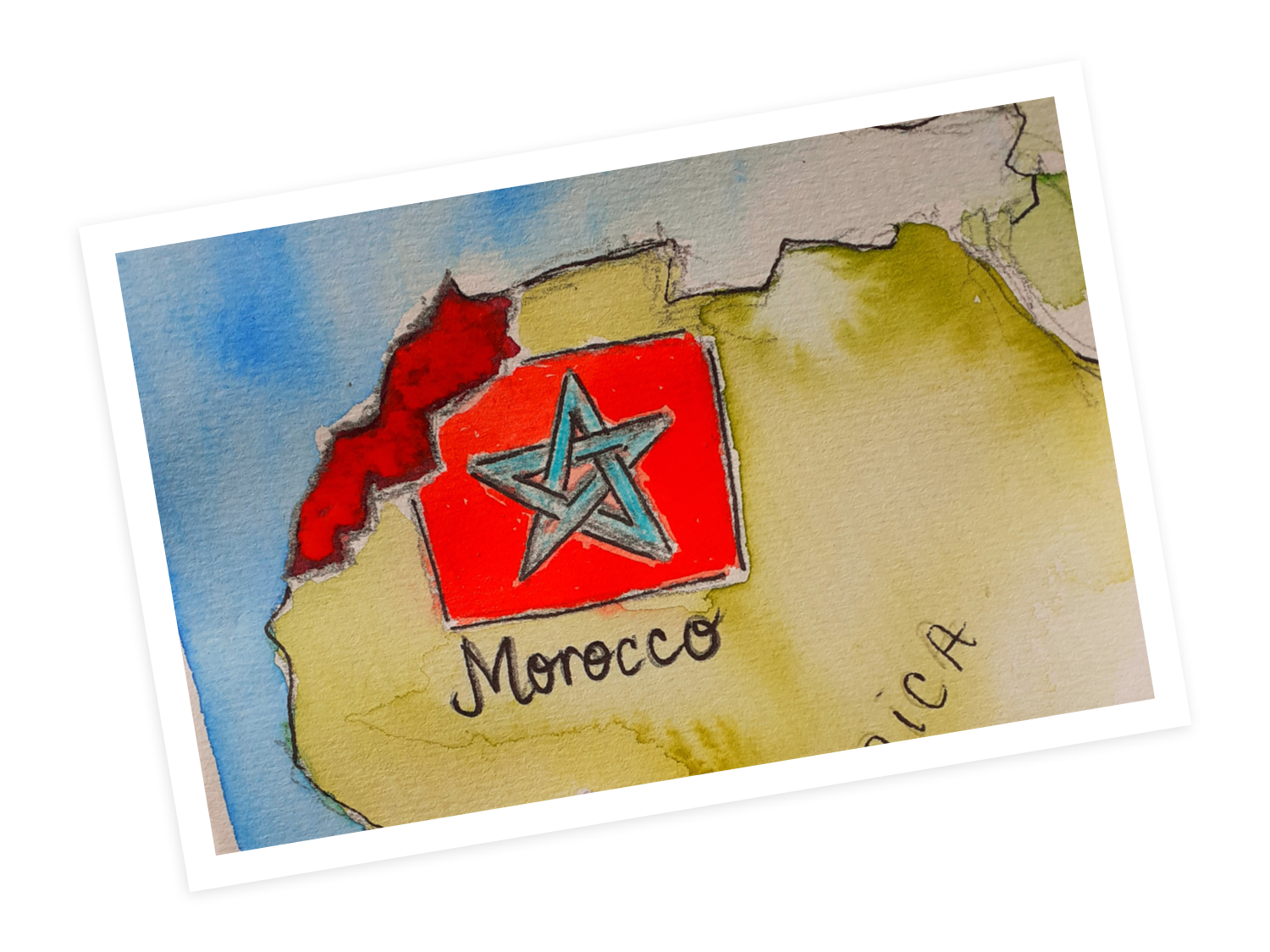
Morocco gained its independence from French colonial rule in 1956, and that same year granted women the right to free education. However, despite these advances, strict gender-oppressive laws were enforced preventing women from enjoying the same opportunities as men. Though the Moroccan feminist movement originated in the 1940s, it was the activist group, l’Union de l’Action Féminine (UAF) who began fervently demanding gender parity, gaining the attention of government leaders in 1983. A decade later, because of their efforts, the Moroccan government made reforms to some of the country’s strictest gender-based laws, and ratified the Convention on the Elimination of Forms of Discrimination Against Women (CEDAW). From 2004 to 2009, the country passed some of the most progressive legislation in the Arab world with women obtaining the rights to travel, employment and the legal system. Morocco’s current constitution, drafted in 2011, states that “the man and the woman enjoy, in equality, the rights and freedoms of civil, political, economic, social, cultural and environmental character.” Though great progress has been made, there is still work to be done as women currently make up a mere 22 percent of parliament and just 24 percent of the labor force. Gender-based violence and sexual harassment remain prevalent even after the enactment of the Elimination of Violence Against Women law in 2018. Today, the UAF are continuing their fight to eliminate gender discrimination, as well as the Democratic Association of Moroccan Women and The Moroccan Association of Human Rights.
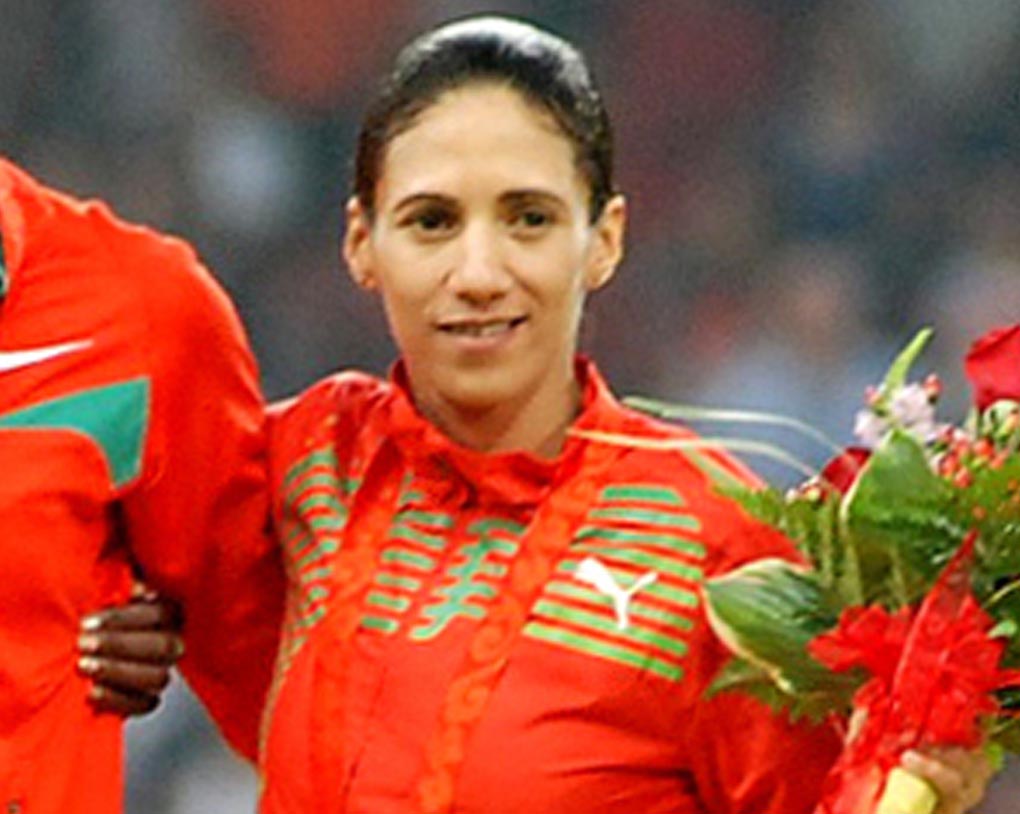
Girls are often dissuaded from playing sports in Morocco due to traditional social and cultural norms as well as minimal financial investment and structural support. In 2020, in an effort to develop and promote women’s soccer, the Royal Moroccan Football Federation (FRMF) launched the first female professional league and established grassroots programming for aspiring young athletes. Women first competed in the Olympics in 1972, and the Paralympics in 2000. Nawal El Moutawakel became the first woman from Morocco, as well as the first from a Muslim majority country, to win Olympic gold when she won the first-ever women’s 400m hurdles event at the 1984 Los Angeles Olympic Games. Laila El Garaa was the first Moroccan woman to win a Paralympic medal when she won silver in the F40 shot put at the 2004 Games in Athens.
Meet and support global leaders creating change in Morocco:
Fouziya Madhouni
Naoual Zaaraoui
How does Morocco compare to other countries?
Where do you want to explore next?
Women in Leadership
PERCENTAGE OF WOMEN IN PARLIAMENT AS OF 2020
21%
PERCENTAGE OF WOMEN IN MINISTRY POSITIONS AS OF 2020
6%
Has a Woman Ever Been Head of State or Head of Government?
No
HAS A WOMAN EVER BEEN SPORTS MINISTER?
Unknown
Title IX Timeline


1956
Morocco gained independence from French sovereignty on March 2.
1963
Women gained the right to vote (full suffrage).
1972
Fatima El-Farquir and Malika Hadky, athletics athletes, became the first women to represent Morocco in the Olympics.
1984
Nawal El-Moutawakel won a gold medal in athletics to become the first woman from Morocco to win an Olympic medal.
1993
Morocco ratified the Convention on the Elimination of All Forms of Discrimination against Women (CEDAW).
2000
Two powerlifting athletes became the first women to represnt Morocco in the Paralympics.
2004
Laila El Garaa won a silver medal in athletics to become the first woman from Morocco to win a Paralympic medal.

Women in the olympics
participation through the years
-
0
-
0
-
0
-
2
-
4
-
5
-
26
-
37
-
14
Women in the Paralympics
participation through the years
-
0
-
0
-
0
-
0
-
11
-
12
-
13
Elite Sports Participation
First Year Women Participated In The Olympics
1972
Year Women’s Participation In Olympics Was Equal To Men’s
2014
First Time A Woman Won An Olympic Medal
Nawal El-Moutawakel: 1984, Athletics (Gold)
First Year Women Participated In The Paralympics
2000
Year Women’s Participation In Paralympics Was Equal To Men’s
As of 2020, women's participation was still less than men's.
First Time A Woman Won A Paralympic Medal
Laila El Garaa: 2004, Athletics (Silver)
FIFA
Fédération Internationale de Football Association
National Women’s Team?
Yes
First Year Of Play
1998
Pay Gap Comparison
Pay Unknown
Gender Initiatives
In 2020, in an effort to develop and promote women’s soccer, the Royal Moroccan Football Federation (FRMF) launched the first female professional league and established grassroots programming for aspiring young athletes.
FIFA is committed to the growth and development of women’s football around the globe.
For More Information
FIBA
Fédération Internationale de Basketball
National Women’s Team?
Yes
First Year Of Play
2001
Pay Gap Comparison
Pay Unknown
Gender Initiatives
Morocco hosted FIBA’s 3rd Mini Basketball Convention in 2018 to grow the game of basketball, develop coaches, and promote gender equality.
The NBA and the Basketball Africa League are working together across Africa to raise awareness about gender-based violence, support girls’ education, and increase female involvement in basketball at all levels
Increasing the participation of women in basketball at all levels was named as one of FIBA’s eight strategic objectives (2019- 2027) and one of FIBA’s three strategic priorities (2019-2023).
For More Information
3rd Mini Basketball Convention, Morocco
NBA + Basketball Africa
FIBA Strategic Objectives
LOCAL
Sports
Initiatives
Community Organizations That Have Signed The Brighton + Helsinki Declaration
Moroccan Association of Sport and Development (AMSD)
