
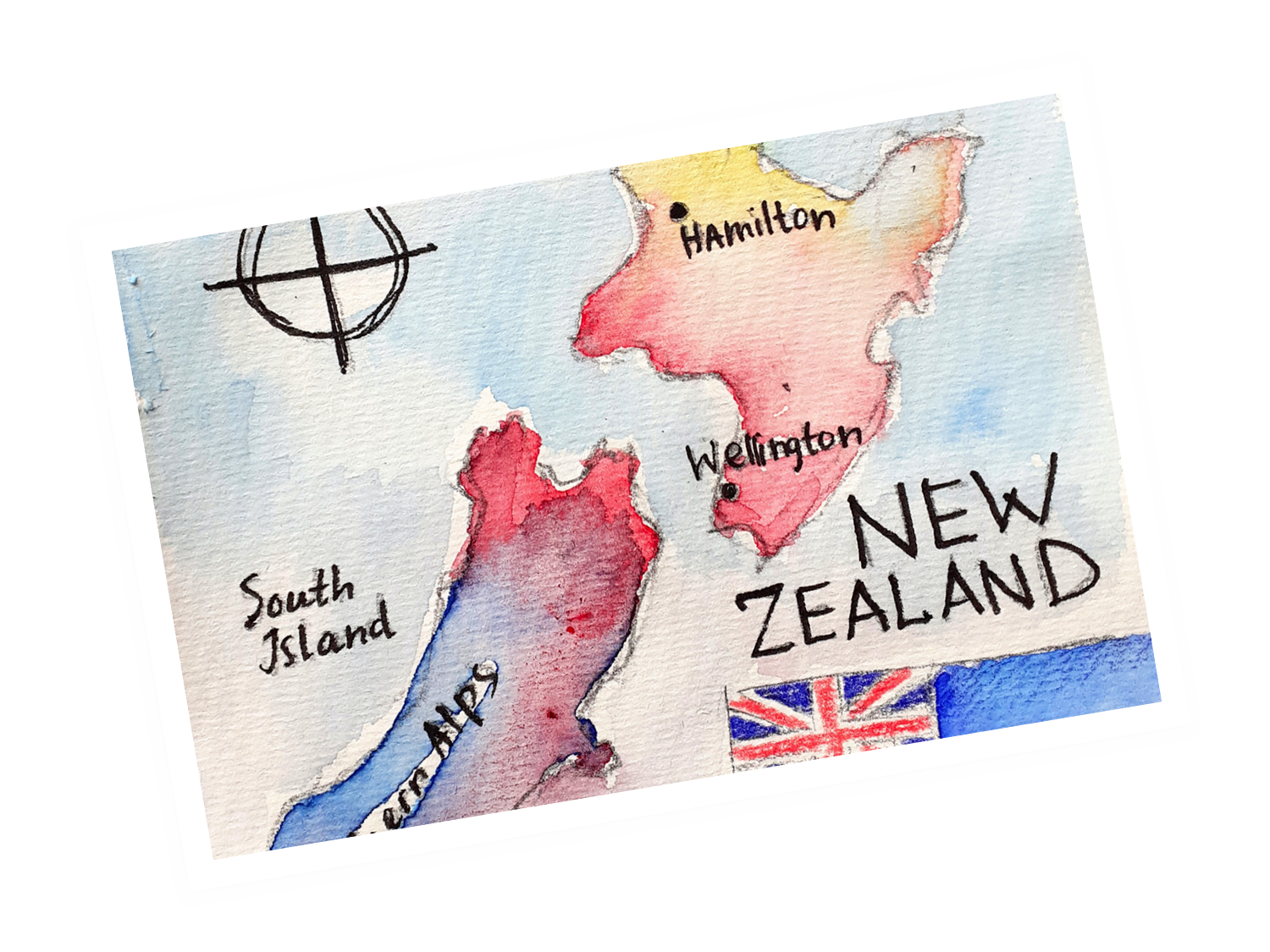
New Zealand is one of the most egalitarian countries in the world; under the law, women and men have equal legal status, rights, and rate of pay. The New Zealand government, along with UN Women, is striving for gender equality through legal means, working to empower women and ensure their safety.
Women have a long history of sports participation in New Zealand, with netball and rugby as the most popular disciplines among women and girls. The Women’s Rugby Union has increased in popularity over the past decade after copious amounts of activism to have the women’s game recognized and supported at the national and provincial levels. The Black Ferns, the women’s national rugby team, is a powerhouse, winning five Women’s Rugby World Cup titles between 1998 and 2017.
New Zealand will host the International Working Group World Conference on Women & Sport in November 2022, the Women’s Rugby World Cup beginning in October 2022, and the FIFA Women’s World Cup with Australia in 2023.
Meet and support global leaders creating change in New Zealand:
Shanelle Barrett
Luciana Garcia Genta
Fran McEwen
Julie Paterson
Melodie Robinson
Vania Wolfgramm
How does New Zealand compare to other countries?
Where do you want to explore next?

Women in Leadership
PERCENTAGE OF WOMEN IN PARLIAMENT AS OF 2020
48%
PERCENTAGE OF WOMEN IN MINISTRY POSITIONS AS OF 2020
38%
Has a Woman Ever Been Head of State or Head of Government?
Jennifer Shipley, 1997-1999
Helen Clark, 1999-2008
Jacinda Ardern, 2017-present
HAS A WOMAN EVER BEEN SPORTS MINISTER?
No
Title IX Timeline


1840
The Treaty of Waitangi was signed between representatives of the United Kingdom and various Māori chiefs, bringing New Zealand into the British Empire and giving Māori the same rights as British subjects.
1893
Women gained the right to vote (full suffrage).
1920
Violet Walrond became the first woman to represent New Zealand in the Olympics.
1947
New Zealand gained full sovereignty when the Statute of Westminster Adoption Act 1947 was ratified on November 25th. It became a member of the Commonwealth of Nations two years later.
1952
Yvette Williams won a gold medal in the long jump and Jean Stewart won a bronze medal in swimming to become the first women from New Zealand to win Olympic medals.
1968
Eve Rimmer became the first woman to represent New Zealand in the Paralympics and to win a Paralympic medal (gold, silver, & bronze - athletics; silver - swimming).
1985
New Zealand ratified the Convention on the Elimination of All Forms of Discrimination against Women (CEDAW).
1997
Jennifer Shipley became the first female Prime Minister of New Zealand.
2000
New Zealand signed and ratified the Optional Protocol to CEDAW.
2015
New Zealand signed the UN Security Council Resolution 1325, affirming that peace and security efforts are more sustainable when women are equal partners in the prevention of violent conflict, the delivery of relief and recovery efforts and in the forging of lasting peace.

Women in the olympics
participation through the years
-
6
-
12
-
13
-
18
-
54
-
78
-
227
-
198
-
111
Women in the Paralympics
participation through the years
-
1
-
4
-
17
-
13
-
26
-
27
-
13
Elite Sports Participation
First Year Women Participated In The Olympics
1920
Year Women’s Participation In Olympics Was Equal To Men’s
2016
First Time A Woman Won An Olympic Medal
Yvette Williams: 1952, Long Jump (Gold) Jean Stewart: 1952, Swimming (Bronze)
First Year Women Participated In The Paralympics
1968
Year Women’s Participation In Paralympics Was Equal To Men’s
2002
First Time A Woman Won A Paralympic Medal
Eve Rimmer: 1968, Athletics ( Gold, Silver & Bronze) and Swimming (Silver)
FIFA
Fédération Internationale de Football Association
National Women’s Team?
Yes
First Year Of Play
1975
Pay Gap Comparison
Equal Parity as of 2019
Gender Initiatives
New Zealand was selected to host the 2023 FIFA Women’s World Cup along with Australia.
FIFA is committed to the growth and development of women’s football around the globe.
For More Information
FIFA: Women's Development Program
2023 Women's Development Program
FIBA
Fédération Internationale de Basketball
National Women’s Team?
Yes
First Year Of Play
1958
Pay Gap Comparison
Paid Less than the Men's Team as of 2022
Gender Initiatives
Increasing the participation of women in basketball at all levels was named as one of FIBA’s eight strategic objectives (2019- 2027) and one of FIBA’s three strategic priorities (2019-2023).
For More Information
LOCAL
Sports
Initiatives
Major Regional Or Country Sport Initiatives
Hosted the 8th IWG World Conference on Women & Sport, the world’s largest gathering of experts on gender equity in sport and physical activity. One of the key aims of each conference is to leave a legacy, something that supports the future development of the IWG and represents the work of the host nation.
Community Organizations That Have Signed The Brighton + Helsinki Declaration
New Zealand Olympic Committee
Netball New Zealand
Sport New Zealand
