
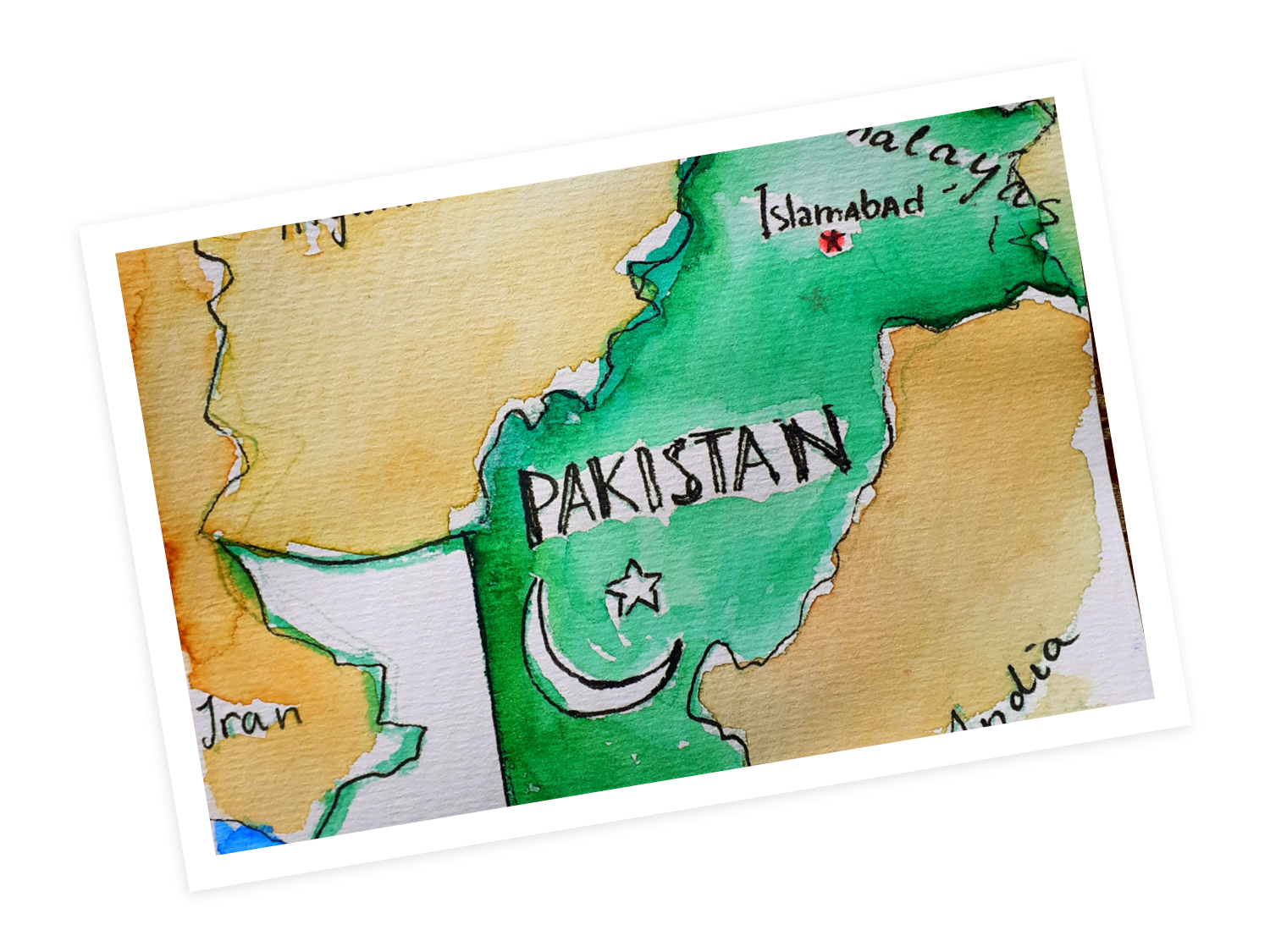
Pakistan gained its independence from the British Indian Empire in 1947, and established itself as an Islamic Republic. In 1973, the country’s current constitution was drafted which states that “All citizens are equal before law and are entitled to equal protection of law. There shall be no discrimination on the basis of sex.” Women were granted the right to the full political process in 1956, and in 1988 Benazir Bhutto became the first female Prime Minister of Pakistan, and the first woman elected head of government in a Muslim-majority country. She served two separate terms from 1988-1990 and 1993-1996 as a social democrat. During her time in office, Bhutto established the Ministry of Women’s Development and created employment and educational opportunities for women and girls. Though advancements were made under her leadership, she faced strict opposition from the conservative party and failed to undue fundamentalist Islamic laws which continue to restrict women’s basic human rights. Bhutto was assassinated in 2007 while campaigning for her third term in office. Two years later, Malala Yousafzai, another key figure in Pakistan’s feminist history began speaking out on the injustice facing girls and their right to education. After surviving an attack on her life by Islamic extremists in 2012, Malala continues to advocate on behalf of Pakistani women and girls. In 2016 at just 17 years of age, she received the Nobel Peace Prize, making her the youngest recipient in history. Despite her efforts and the work of a number of human rights organizations, Pakistan ranks as the sixth most dangerous country in the world for women. In the 2021 Global Gender Gap Report, which measures economic participation and opportunity, educational attainment, health and survival, and political empowerment, Pakistan ranked 153 out of 156 countries. Women make up just 22 percent of the country’s labor force, and only 61.6 percent of girls are enrolled in primary school. However, with an increase in social activism and organizations such as Shirkat Gah, the Aurat Foundation, and the Malala Fund, Pakistan’s government has begun passing legislation protecting and promoting the rights of women and girls.
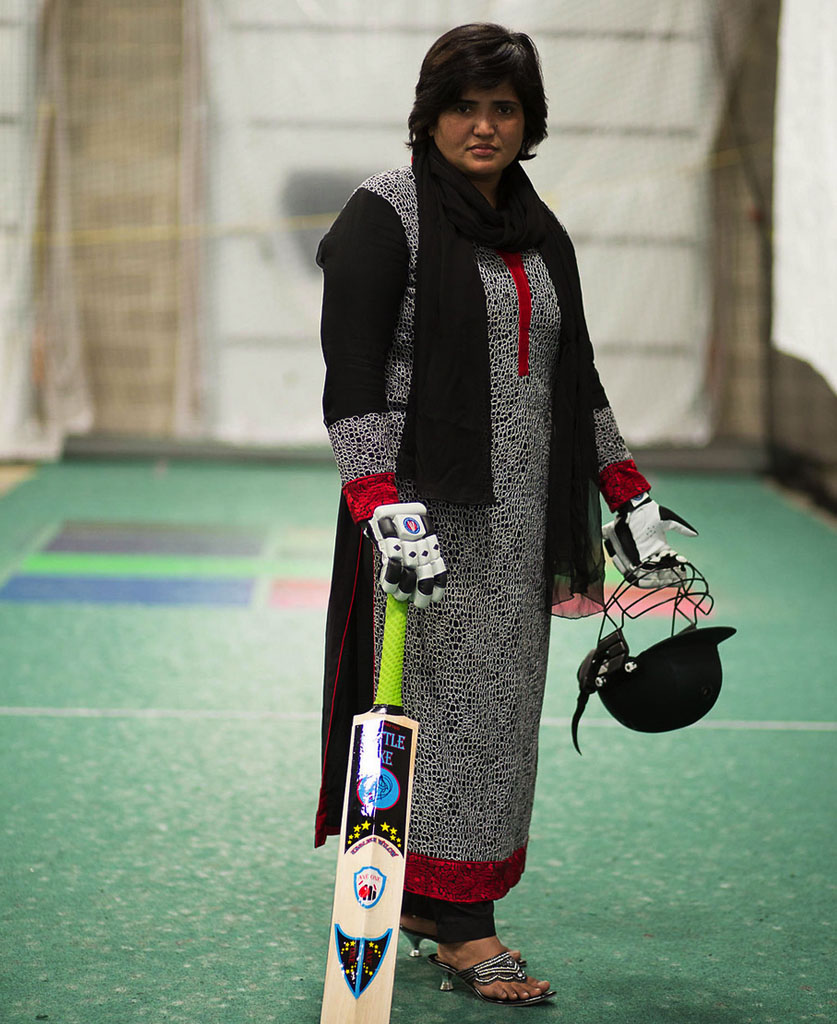
Due to cultural and religious norms, women are often discouraged from participating in sports. Despite the multitude of challenges, women’s sports have gained in popularity over the past two decades, and with the help of the Pakistan Olympic Association pledging in 2021 to “create a conducive environment for female athletes” the future looks bright. Cricket is the most popular sport in the country and in 1996, sisters Shaiza and Sharmeen Khan overcame death threats and minimal resources to establish the Pakistan Women’s Cricket Control Association. Since then, the national team has played in all seven editions of the International Cricket Council Women’s T20 World Cup, and won gold at the 2010 and 2014 Asian Cricket Games. In 2014, at 21 years of age, mountaineer Samina Khayal Baig became the youngest Muslim woman and Pakistan’s first female to scale the Seven Summits.
Meet and support global leaders creating change in Pakistan:
Samar Khan
Sadia Mehwish
Rabia Qadir
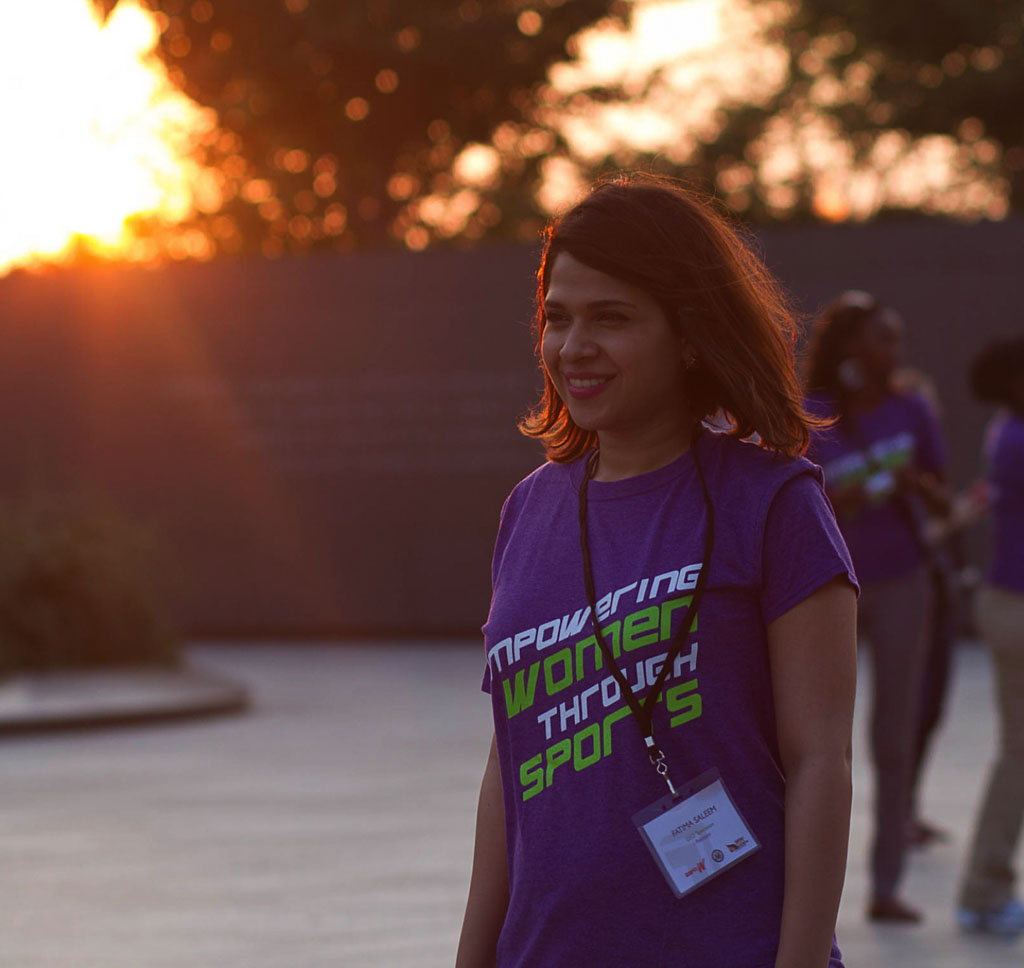
Fatima Saleem
How does Pakistan compare to other countries?
Where do you want to explore next?
Women in Leadership
PERCENTAGE OF WOMEN IN PARLIAMENT AS OF 2020
20%
PERCENTAGE OF WOMEN IN MINISTRY POSITIONS AS OF 2020
12%
Has a Woman Ever Been Head of State or Head of Government?
Benazir Bhutto, 1988-1990, 1993-1996
HAS A WOMAN EVER BEEN SPORTS MINISTER?
Unknown
Title IX Timeline


1947
Pakistan gained independence from British Empire on August 15 and women gained the right to vote (full suffrage).
1988
Benazir Bhutto became the first female Prime Minister of Pakistan.
1996
Shabana Akhtar, an athletics athlete, became the first woman to represent Pakistan in the Olympics. Pakistan ratified the Convention on the Elimination of All Forms of Discrimination against Women (CEDAW).
2004
Amina Bibi, an athletics athlete, became the first woman to represent Pakistan in the Paralympics.
Women in the olympics
participation through the years
-
0
-
0
-
0
-
0
-
0
-
1
-
5
-
5
-
3
Women in the Paralympics
participation through the years
-
0
-
0
-
0
-
0
-
2
-
0
-
0
Elite Sports Participation
First Year Women Participated In The Olympics
1996
Year Women’s Participation In Olympics Was Equal To Men’s
As of 2020, women's participation was still less than men's.
First Time A Woman Won An Olympic Medal
The first woman could be you!
First Year Women Participated In The Paralympics
2004
Year Women’s Participation In Paralympics Was Equal To Men’s
As of 2020, women's participation was still less than men's.
First Time A Woman Won A Paralympic Medal
The first woman could be you!
FIFA
Fédération Internationale de Football Association
National Women’s Team?
Yes
First Year Of Play
2010
Pay Gap Comparison
Pay Unknown
Gender Initiatives
Pakistan launched the country’s first official Women’s Football Championship in March 2021 with 19 teams participating in the competition.
FIFA is committed to the growth and development of women’s football around the globe.
For More Information
FIBA
Fédération Internationale de Basketball
National Women’s Team?
Yes
First Year Of Play
Unknown
Pay Gap Comparison
Pay Unknown
Gender Initiatives
Pakistan participates in FIBA’s Mini Basketball Day, a global event that aims to unite and motivate all National Federations around basketball.
Increasing the participation of women in basketball at all levels was named as one of FIBA’s eight strategic objectives (2019- 2027) and one of FIBA’s three strategic priorities (2019-2023).
For More Information
LOCAL
Sports
Initiatives
Community Organizations That Have Signed The Brighton + Helsinki Declaration
