

Papua New Guinea (PNG) gained its independence from Australia and became a sovereign nation in 1975. That same year, they established their constitution declaring, “all persons in our country are entitled to the fundamental rights and freedoms of the individual, that is to say, the right, whatever their race, tribe, places of origin, political opinion, color, creed or sex.” In 1978, the PNG government formed the National Council of Women (NCW) to ensure women’s rights under the law were upheld, and in 1994 they ratified the Convention on the Elimination of All Forms of Discrimination against Women (CEDAW). However, with high rates of poverty, and socio-cultural barriers, women face severe discrimination across all sectors of society. Out of 156 countries, PNG ranked last in political empowerment on the 2021 Global Gender Gap Report with not a single female represented at the federal, state or municipal levels of government. Women have few opportunities to pursue an education, participate in the workforce, and experience limited access to the health care system. Moreover, a recent UN Women report showed that at least 60 percent of women in PNG have experienced physical and/or sexual violence from an intimate partner at some point in their lives. Fortunately, human rights organizations like Voice for Change, Bougainville Women’s Federation, and Eastern Highlands Family Voice, are raising awareness around the issues of discrimination and gender-based violence in order to create a safer, more equitable future for PNG’s women and girls.
Despite limited investment and resources, women’s sports in Papua New Guinea have gained in popularity over the past decade. The national rugby team was formed in 2017 and qualified that year for the Women’s Rugby League World Cup. They are currently fourth in the International Rugby League World Rankings. The national soccer team won gold at four separate Pacific Games Football Tournaments, and finished second at three Oceania Football Confederation Nations Cup. Prior to hosting the FIFA U-20 Women’s World Cup in 2016, the Papua New Guinea Football Association along with FIFA began establishing grassroots initiatives to help promote and develop the sport for women and girls. Female athletes first competed in the Olympics in 1984 and the Paralympics in 2008. After minimal participation and success on the international stage, the Papua New Guinea Olympic Committee (PNGOC) decided to form the PNG Women and Sport Committee in 2000. Their aim was to increase the number of female representation across the sports sector, and it’s proven successful. The current board of PNGOC is 50 percent female, and at the 2011 Pacific Games women won 57 percent of the country’s medals.
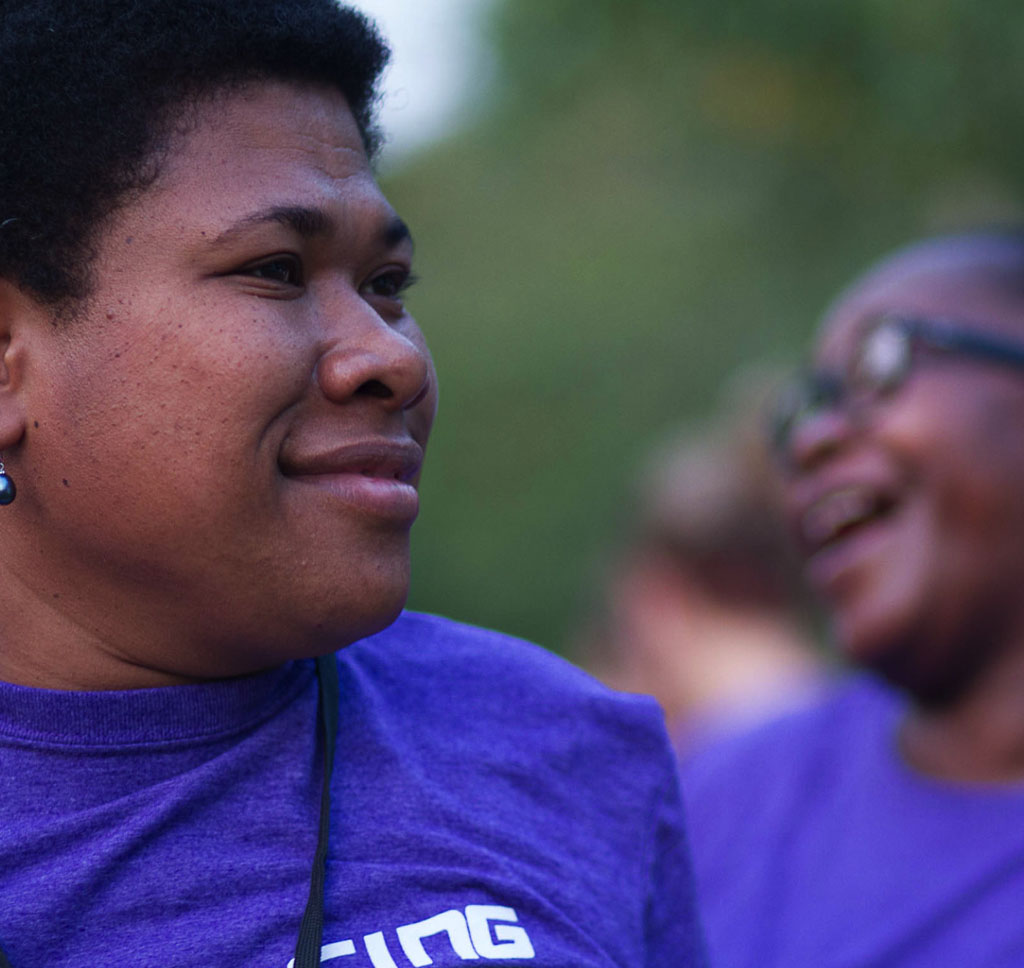
Meet and support global leaders creating change in Papua New Guinea:
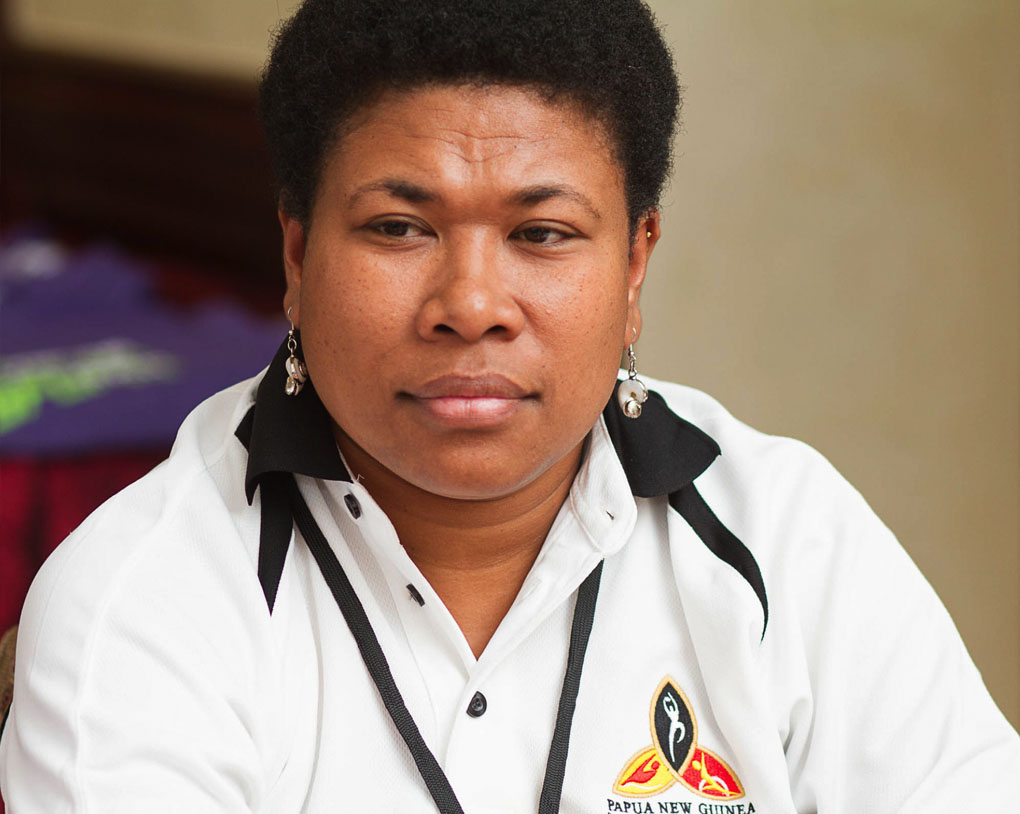
Karo Lelai
How does Papua New Guinea compare to other countries?
Where do you want to explore next?
Women in Leadership
PERCENTAGE OF WOMEN IN PARLIAMENT AS OF 2020
0%
PERCENTAGE OF WOMEN IN MINISTRY POSITIONS AS OF 2020
0%
Has a Woman Ever Been Head of State or Head of Government?
No
HAS A WOMAN EVER BEEN SPORTS MINISTER?
Unknown
Title IX Timeline
1964
Women gained the right to vote (full suffrage).
1975
Papua New Guinea gained independence on September 16.
1984
Three athletics athletes became the first women to represent Papua New Guinea in the Olympics.
1994
PNG ratified the Convention on the Elimination of All Forms of Discrimination against Women (CEDAW).
2008
Joyleen Jeffrey became the first woman to represent Papua New Guinea in the Paralympics.

Women in the olympics
participation through the years
-
0
-
0
-
0
-
0
-
5
-
1
-
9
-
6
-
4
Women in the Paralympics
participation through the years
-
0
-
0
-
0
-
0
-
1
-
1
-
1
Elite Sports Participation
First Year Women Participated In The Olympics
1984
Year Women’s Participation In Olympics Was Equal To Men’s
2000
First Time A Woman Won An Olympic Medal
The first woman could be you!
First Year Women Participated In The Paralympics
2008
Year Women’s Participation In Paralympics Was Equal To Men’s
2008
First Time A Woman Won A Paralympic Medal
The first woman could be you!
FIFA
Fédération Internationale de Football Association
National Women’s Team?
Yes
First Year Of Play
1989
Pay Gap Comparison
Pay Unknown
Gender Initiatives
Papua New Guinea launched an enhanced women’s national football league in late 2020.
FIFA is committed to the growth and development of women’s football around the globe.
For More Information
Papua New Guinea’s National Women’s Football League
FIFA: Women’s Development Program
FIBA
Fédération Internationale de Basketball
National Women’s Team?
Yes
First Year Of Play
1999
Pay Gap Comparison
Pay Unknown
Gender Initiatives
FIBA Foundation’s Twilight Basketball Project through the Basketball for Good platform aims to improve relationships between youth and the police and provide greater access to healthcare for children. The project is run by the Papua New Guinea Basketball Federation.
Increasing the participation of women in basketball at all levels was named as one of FIBA’s eight strategic objectives (2019- 2027) and one of FIBA’s three strategic priorities (2019-2023).
For More Information
LOCAL
Sports
Initiatives
Major Regional Or Country Sport Initiatives
In 2000, the Papua New Guinea Olympic Committee (PNGOC) formed the PNG Women and Sport Committee, with the aim of increasing the number of female representation across the sports sector.
Community Organizations That Have Signed The Brighton + Helsinki Declaration
