
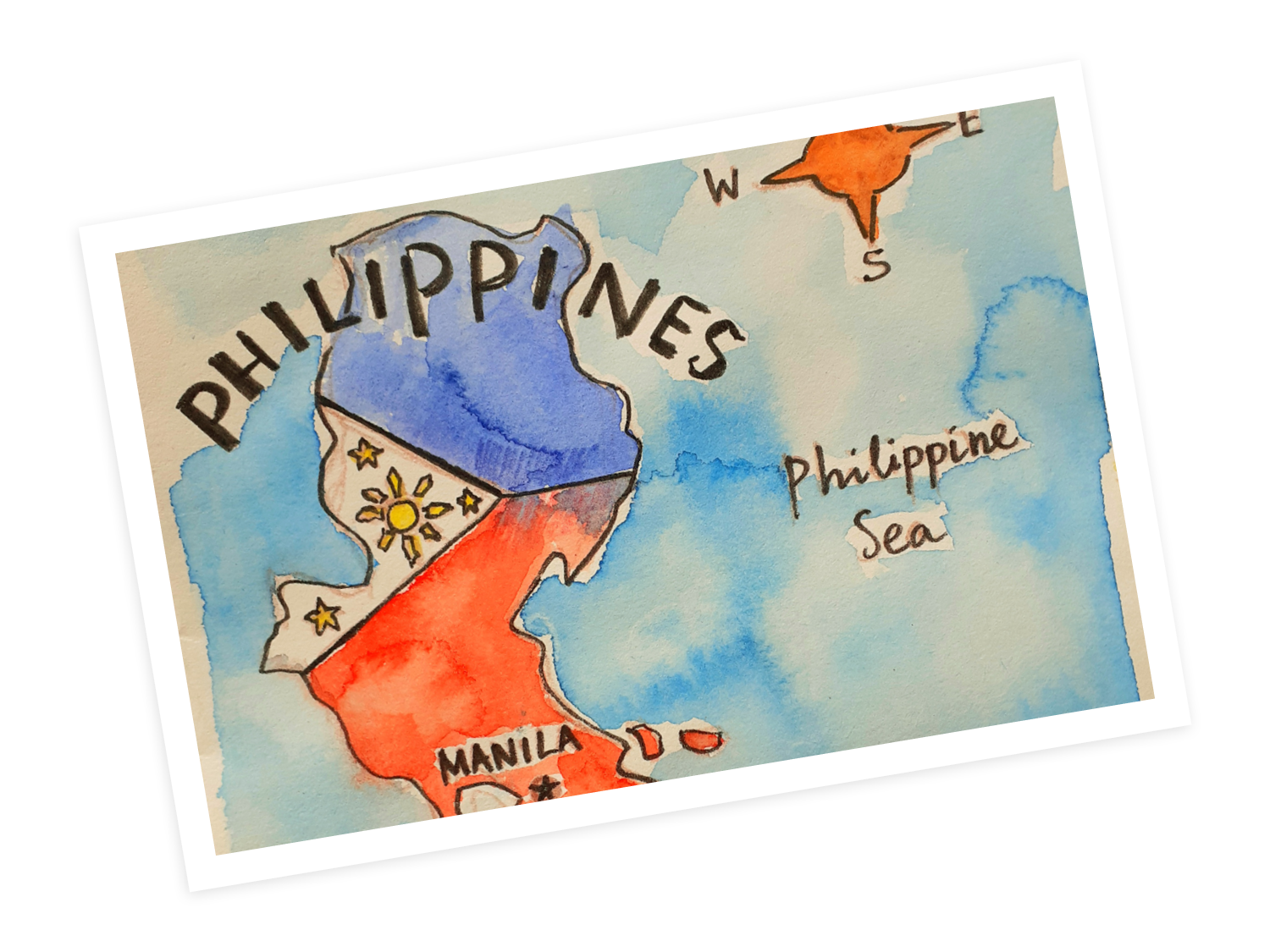
Women in the Philippines gained the right to the full political process in 1937. Nearly a decade later the country acquired independence from the United States and continued to advance the rights of women. In 1975, The Philippine Commission on Women was formed by the government to advocate for gender parity and promote women’s basic human rights. In 1986, Maria Corazon Sumulong Cojuangco Aquino became the first female President of the Philippines, as well as the first female head of government in all of Asia. She restored democracy to the country, and during the first year of her presidency appointed a committee to draft a new constitution. Section 14 of the new and current constitution declares, “The State recognizes the role of women in nation-building, and shall ensure the fundamental equality before the law of women and men.” In 2001, Gloria Macapagal Arroyo was elected the country’s second female president where she served for nine years. During her presidency, the Magna Carta of Women (MCW) was signed into law. The MCW is “a comprehensive women’s human rights law that seeks to eliminate discrimination through the recognition, protection, fulfillment, and promotion of the rights of Filipino women, especially those belonging in the marginalized sectors of society.” In the 2021 Global Gender Gap Report, which measures economic participation and opportunity, educational attainment, health and survival, and political empowerment, the Philippines ranked an impressive 17 out of 156 countries. However, this number has steadily declined over the past five years. In 2016, before the current administration was elected to office, the country ranked seventh on the Report. Today, the Filipino president’s blatant misogyny and verbal degradation of women have reinforced a patriarchal structure that the country worked for generations to eliminate. According to the Philippine Statistics Authority, over the past five years, violence against women has risen, and female unemployment rates have increased. Fortunately, advocacy groups like the GABRIELA National Alliance of Women, the Philippine Alliance of Human Rights Advocates, and the Women’s Legal and Human Rights Bureau, are working to hold the government to account while upholding the rights guaranteed to Filipino women under the law.
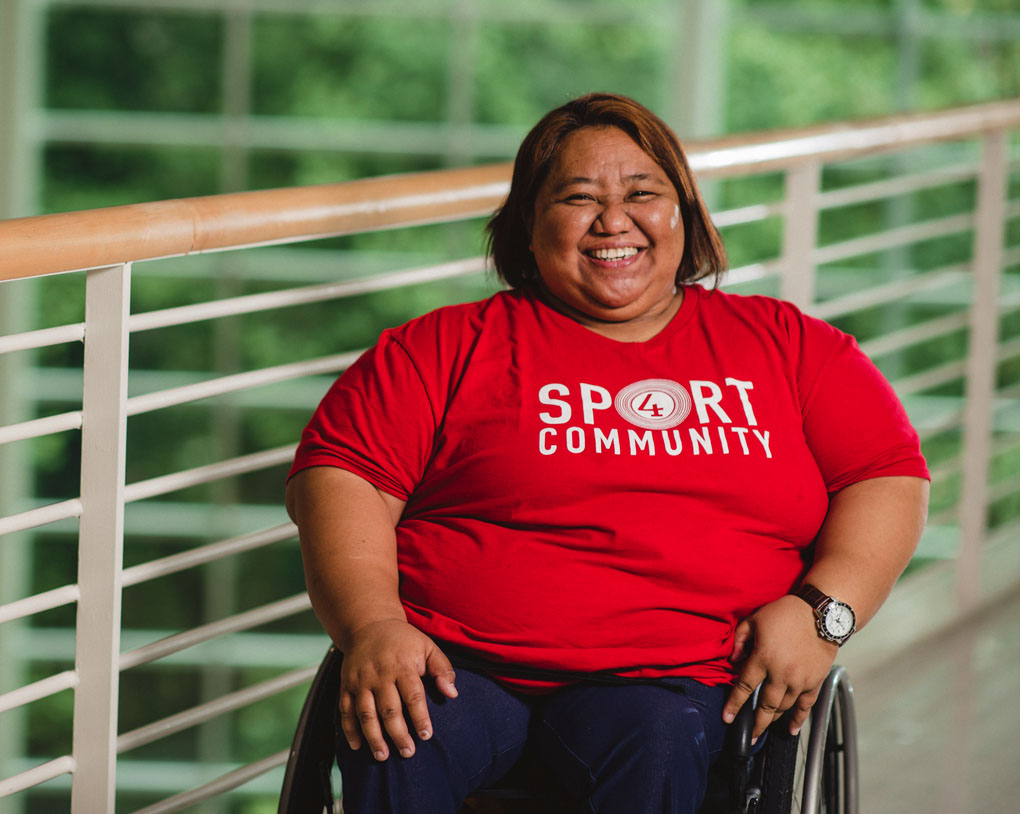
Traditionally, men have dominated the sports sector in the Philippines, with gender discrimination and pay inequities plaguing female athletes. However, Filipino sportswomen continue to break barriers, establishing themselves as true competitors on the world’s stage while often outperforming their male counterparts. For example, in the 2018 Asian Games, 12 out of the country’s 18 medals were won by women. Female athletes first competed in the Olympics in 1956 and the Paralympics in 2000. Adeline Dumapong was the first woman to represent the Philippines and win a medal in the Paralympic Games when she brought home the bronze in powerlifting at the 2000 Sydney Games. Hidilyn Diaz won silver in the 53 kg weightlifting event at the 2016 Rio Olympic Games, becoming the first Filipino female athlete to win an Olympic medal. Diaz won gold and set two Olympic records in the 55 kg weightlifting category at the 2020 Tokyo Games. The Philippines National Soccer team qualified for the 2023 FIFA Women’s World Cup, after their semi-final appearance in the 2022 AFC Women’s Asian Cup. It will be the national team’s first time participating in the World Cup. Bowler, Olivia “Bong” Coo, is the most decorated athlete in Filipino history. She is a four-time world champion, five-time Asian Games Gold Medalist, and was inducted into the International Bowling Hall of Fame. In 2000, she was voted one of the Philippines’ Athletes of the Millennium and is the first Filipino athlete to make it into the Guinness Book of World Records.
MEET AND SUPPORT SISTERS CREATING CHANGE IN THE PHILIPPINES:
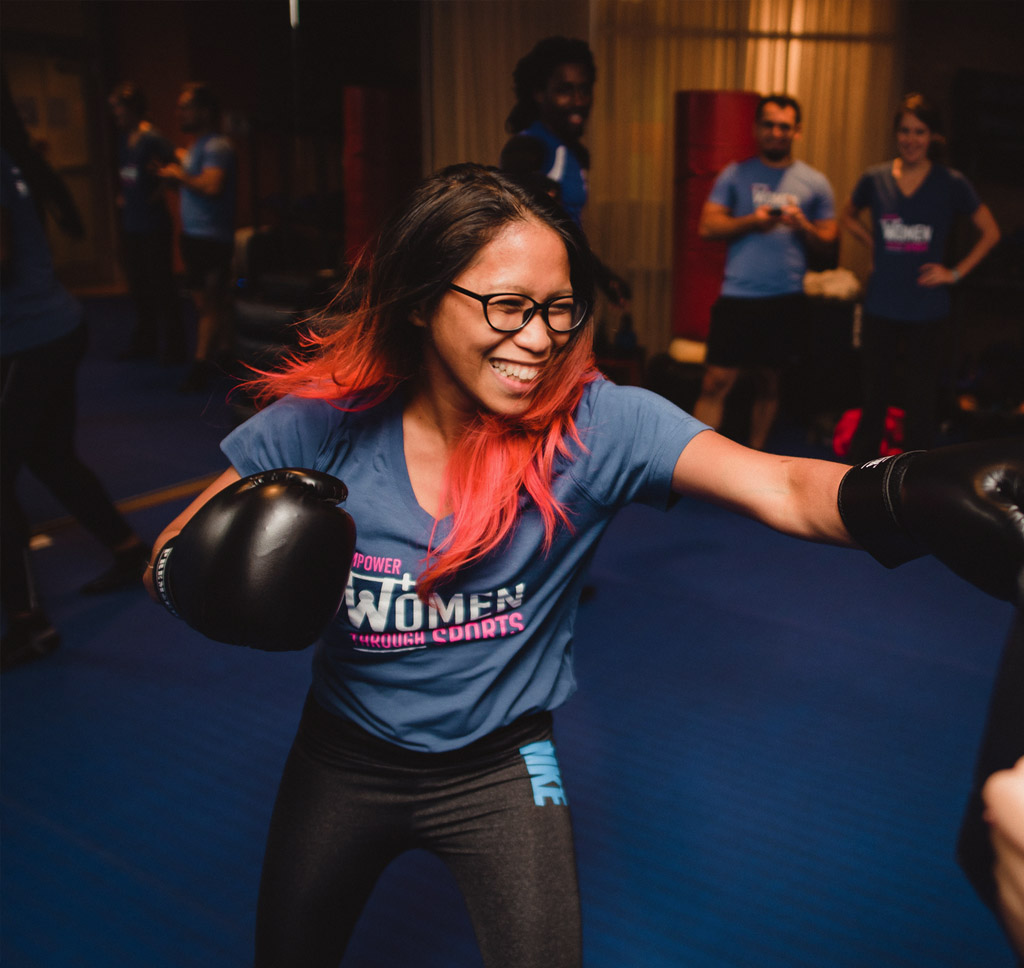
Geraldine Bernardo
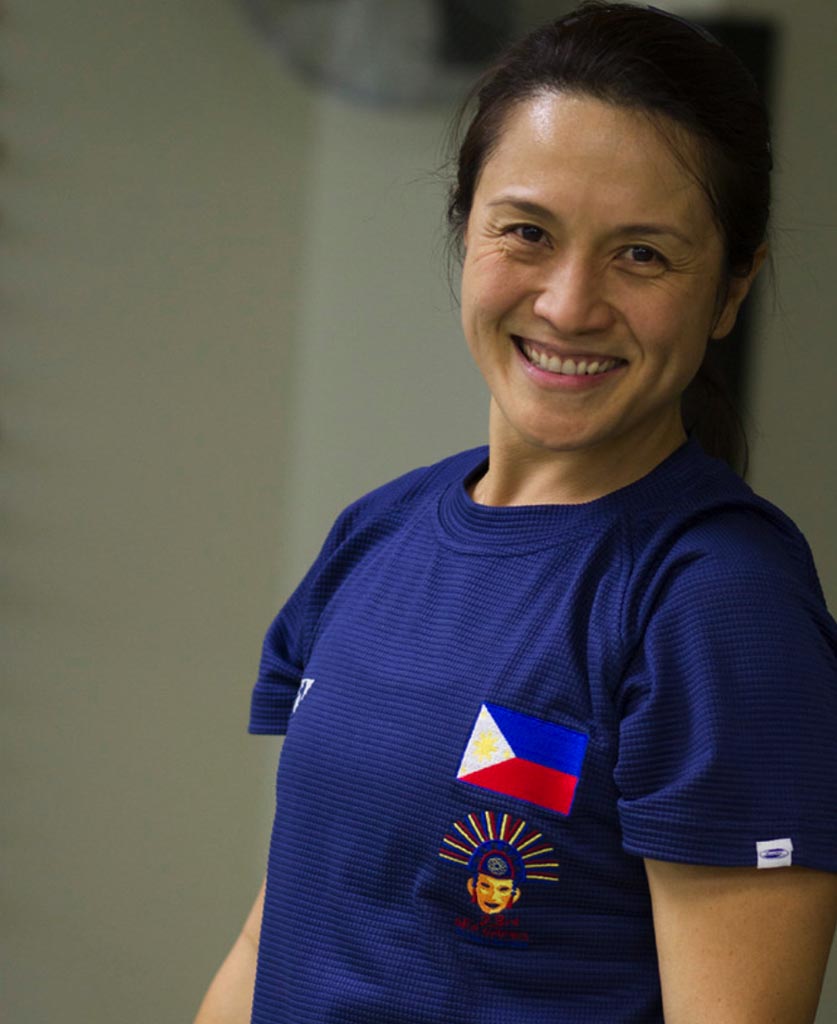
Jessica Wu
How does the Philippines compare to other countries?
Where do you want to explore next?
Women in Leadership
PERCENTAGE OF WOMEN IN PARLIAMENT AS OF 2020
28%
PERCENTAGE OF WOMEN IN MINISTRY POSITIONS AS OF 2020
10%
Has a Woman Ever Been Head of State or Head of Government?
Maria Corazon Sumulong Cojuangco Aquino, 1986-1992
Gloria Macapagal Arroyo, 2001-2010
HAS A WOMAN EVER BEEN SPORTS MINISTER?
Unknown
Title IX Timeline


1937
Women gained the right to vote (full suffrage).
1946
The Philippines gained independence from the United States on July 4.
1956
Four athletics and swimming athletes became the first women to represent the Philippines in the Olympics.
1981
The Philippines ratified the Convention on the Elimination of All Forms of Discrimination against Women (CEDAW).
1986
Maria Corazon Sumulong Cojuangco Aquino became the first female President of the Philippines.
2000
Adeline Dumapong became the first woman to represent the Philippines in the Paralympics and won a bronze medal in powerlifting to become the first woman from the Philippines to win a Paralympic medal. The Philippines signed the Optional Protocol to CEDAW.
2003
The Philippines ratified the Optional Protocol to CEDAW.
2010
The Philippines signed the UN Security Council Resolution 1325, affirming that peace and security efforts are more sustainable when women are equal partners in the prevention of violent conflict, the delivery of relief and recovery efforts and in the forging of lasting peace.
2016
Hidilyn Diaz became the first woman from the Philippines to win an Olympic medal (silver- weightlifting).
Women in the olympics
participation through the years
-
0
-
4
-
15
-
6
-
9
-
6
-
18
-
10
-
10
Women in the Paralympics
participation through the years
-
0
-
0
-
0
-
0
-
4
-
7
-
0
Elite Sports Participation
First Year Women Participated In The Olympics
1956
Year Women’s Participation In Olympics Was Equal To Men’s
2020
First Time A Woman Won An Olympic Medal
Hidilyn Diaz: 2016, Weightlifting (Silver)
First Year Women Participated In The Paralympics
2000
Year Women’s Participation In Paralympics Was Equal To Men’s
2000
First Time A Woman Won A Paralympic Medal
Adeline Dumapong: 2000, Powerlifting (Bronze)
FIFA
Fédération Internationale de Football Association
National Women’s Team?
Yes
First Year Of Play
1981
Pay Gap Comparison
Pay Unknown
Gender Initiatives
Philippine Football Federation received a grant from FIFA in 2020 for women’s development projects.
FIFA is committed to the growth and development of women’s football around the globe.
For More Information
FIBA
Fédération Internationale de Basketball
National Women’s Team?
Yes
First Year Of Play
1965
Pay Gap Comparison
Pay Unknown
Gender Initiatives
Increasing the participation of women in basketball at all levels was named as one of FIBA’s eight strategic objectives (2019- 2027) and one of FIBA’s three strategic priorities (2019-2023).
For More Information
LOCAL
Sports
Initiatives
Community Organizations That Have Signed The Brighton + Helsinki Declaration
Philippine Sports Commission
Amateur Softball Association of The Philippines
Philippines Women’s Sport Foundation
